
As winter approaches, homeowners across the Pikes Peak region are keeping a close eye on the latest climate reports. NOAA has highlighted an unusually strong weather pattern often referred to as a Super El Niño. While this term is not an official meteorological classification, it signals a high probability of significant shifts in our local climate.
For your Colorado Springs roof, these changing conditions bring unique challenges. You might expect fluctuations in moisture levels, heavy snowfall, and gusty winds that test the integrity of your home. Preparing for an El Niño winter requires understanding how these volatile patterns can expose hidden vulnerabilities in your structure.
Even minor weaknesses can become major problems when faced with rapid temperature swings. Taking proactive steps now helps ensure your property remains protected against the unpredictable nature of the coming months. Staying informed is the best way to safeguard your investment against the elements.
Key Takeaways
- NOAA forecasts suggest a strong weather pattern that may impact local winter conditions.
- The term Super El Niño is a popular descriptor for intense climate shifts rather than a formal scientific category.
- Colorado Springs homeowners should anticipate varied precipitation and wind patterns this season.
- Existing structural weaknesses can worsen quickly when exposed to heavy snow and rapid temperature changes.
- Proactive maintenance is essential to protect your home from potential winter weather damage.
Why a Super El Niño Matters for Colorado Springs Homes
The arrival of a Super El Niño brings unique atmospheric conditions that directly affect your property. While global climate patterns often feel distant, their influence on local weather can be profound. Understanding these shifts is essential for maintaining your home throughout the colder months.
How El Niño Can Shift Winter Weather Across Southern Colorado
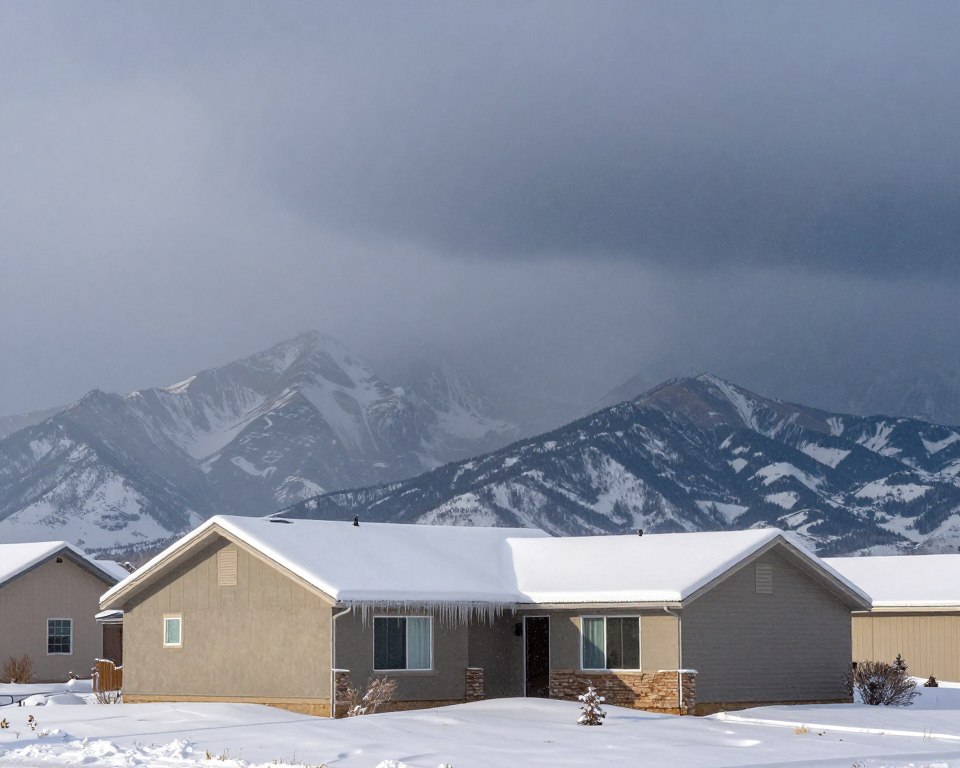
During an El Niño winter, the jet stream often shifts, which can alter typical precipitation paths. In Southern Colorado, this frequently leads to an increase in upslope storms. These events push moisture against the mountains, often resulting in significant, wet snowfall that accumulates quickly.
Because these storms can be intense, they often bring more moisture than standard winter systems. If you want to stay ahead of these changes, following a roof maintenance guide to protect your home is a smart strategy. Proper preparation helps mitigate the risks associated with these moisture-heavy patterns.
Why a Strong Climate Pattern Does Not Guarantee One Exact Forecast
It is important to remember that a Super El Niño is a broad climate indicator rather than a precise weather prediction. While it increases the probability of certain conditions, it does not guarantee a specific outcome for every week of the season. Local topography in Colorado Springs often creates microclimates that defy broader regional trends.
You should view these climate patterns as a signal to increase your vigilance. Even if the overall seasonal forecast remains inconsistent, the potential for sudden, severe weather remains high. Staying prepared for variability is the best way to protect your investment.
The Combination of Snow, Wind, Moisture, and Rapid Temperature Changes
The real challenge for your home arises when snow, wind, and moisture interact with rapid temperature swings. A Super El Niño can exacerbate these conditions, leading to cycles of freezing and thawing that stress roofing materials. This volatility often results in a significant increase in roof load, which can compromise structural integrity if your roof is not ready.
High winds often accompany these moisture-rich systems, further testing the durability of your shingles and flashing. When heavy snow sits on your roof, the added weight creates pressure that can expose hidden vulnerabilities. Monitoring these factors throughout the season ensures that you can address potential issues before they become costly repairs.
How Super El Niño Conditions Can Stress Your Roofs
When extreme winter weather hits Colorado Springs, your roof faces a series of intense environmental stressors. These climate patterns often bring unpredictable moisture levels that test the durability of your home’s exterior. Recognizing these risks early helps you prepare for the challenges ahead.
Heavy Snow and the Risk of Excessive Roof Load
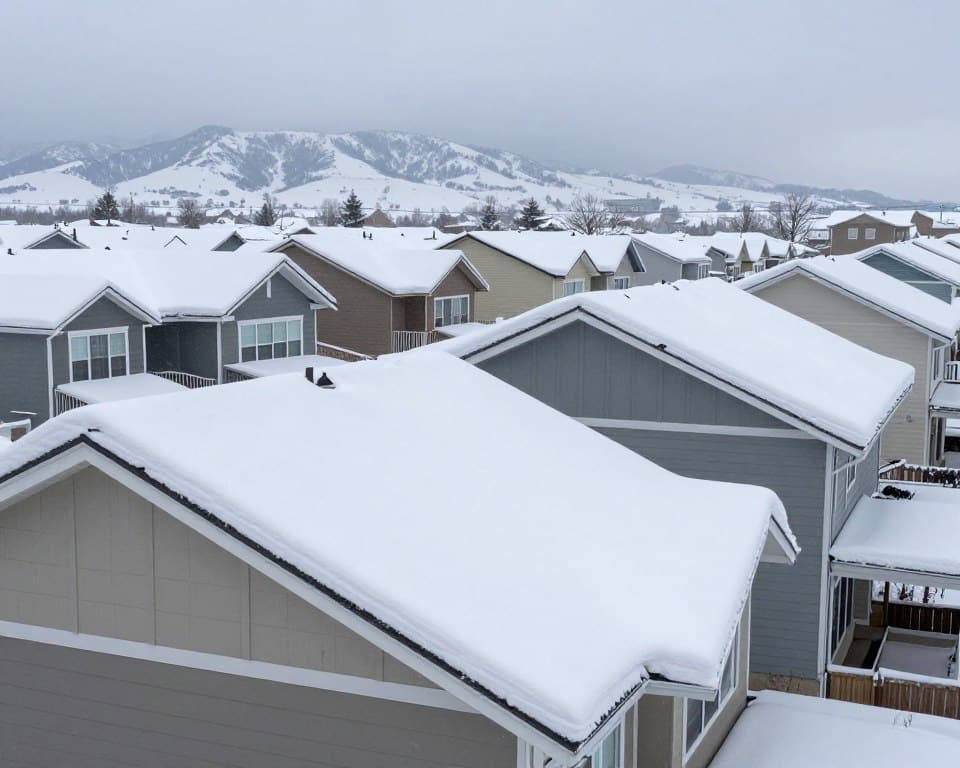
Heavy snow accumulation is a primary concern during a strong winter season. Unlike light, fluffy powder, wet snow is incredibly dense and adds significant weight to your structure.
This increased roof load can strain rafters and decking over time. If your roof is not designed to handle such weight, you may face structural sagging or even collapse.
Freeze-Thaw Cycles That Expand Cracks and Loosen Roofing Materials
Colorado Springs is famous for rapid temperature shifts that trigger frequent freeze-thaw cycles. During the day, sunlight melts accumulated snow, turning it into liquid water.
As temperatures drop at night, this water freezes and expands within tiny gaps in your roofing system. This constant expansion and contraction cycle eventually loosens shingles and creates cracks in flashing.
Ice Dams, Melting Snow, and Water Under Shingles
Ice dams often form when heat escapes from your attic and melts snow on the roof surface. This water flows down to the colder eaves, where it refreezes and creates a barrier.
Once this dam forms, subsequent meltwater has nowhere to go and backs up under your shingles. This process often leads to interior leaks and water damage that can be difficult to detect until it is too late.
High Winds That Remove Shingles, Flashing, and Roof Accessories
Strong wind gusts frequently accompany winter storms, putting extra pressure on your roof’s perimeter. These winds can lift shingles, especially if they are already aged or brittle.
Once a single shingle is compromised, the entire section becomes vulnerable to further wind damage. Proper maintenance and timely snow removal are essential to keep your roof secure during these events.
Why Roof Edges, Valleys, Chimneys, and Skylights Need Extra Attention
Certain areas of your roof are more susceptible to damage than others. Valleys, chimneys, and skylights act as transition points where water and ice tend to accumulate most heavily.
These spots require specialized flashing to remain watertight. If these seals fail, your home becomes highly vulnerable to moisture intrusion.
| Winter Stressor | Primary Impact | Risk Level |
|---|---|---|
| Heavy Snow | Excessive roof load | High |
| Freeze-Thaw Cycles | Material degradation | Medium |
| Ice Dams | Water infiltration | High |
| High Winds | Shingle displacement | Medium |
Warning Signs of Winter Roof Damage You Should Not Ignore
Your roof often provides subtle clues when it is struggling against harsh winter conditions. By performing regular visual checks, you can identify potential winter roof damage before it leads to expensive structural repairs. Staying proactive helps you maintain the integrity of your home throughout the coldest months.
Interior Stains, Damp Attics, and Musty Odors
One of the most common indicators of roof leaks is the appearance of water stains on your ceilings or walls. If you notice damp insulation or a musty smell in your attic, moisture is likely bypassing your shingles. This often happens when ice dams force water back under the roofing materials and into your home.
Missing, Lifted, Cracked, or Curling Shingles
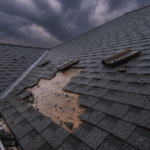
High winds and heavy snow loads can easily damage your roof’s outer layer. You should look for missing shingles or those that appear lifted or curled after a storm. Damaged or missing shingles leave your roof deck exposed to the elements, which significantly increases the risk of water infiltration.
Sagging Roof Lines and Unusual Ceiling or Wall Cracks
A sagging roof line is a serious warning sign that your structure is under too much weight. If you notice new cracks in your interior walls or ceilings, it may indicate that the roof deck is bowing under the pressure of heavy snow. You should also inspect the flashing around chimneys and vents, as these areas are prone to shifting when the roof structure moves.
Granules in Gutters and Blocked Roof Drainage
Finding an excessive amount of asphalt granules in your gutters is a sign that your shingles are aging or deteriorating. When these granules accumulate, they can block your drainage system and prevent melting snow from flowing away from your home. Keeping your gutters clear is essential to prevent water from backing up and causing further damage.
When a Small Leak Requires Immediate Professional Help
Many homeowners assume that a small drip is not an emergency, but this is often a mistake. Even minor roof leaks can lead to significant issues if water reaches your electrical wiring or structural framing. You should contact a professional immediately if you notice the following:
- Water actively dripping near light fixtures or electrical outlets.
- Visible mold growth on attic rafters or ceiling joists.
- Large, spreading water stains that grow after every snowfall.
- Significant damage to the metal flashing around roof penetrations.
Steps to Protect Your Roof Before and During the Storm Season
Taking proactive steps now can save your roof from the harsh impacts of a Super El Niño winter. By addressing minor issues early, you prevent small problems from turning into expensive structural failures when the temperature drops.
Schedule a Professional Roof Inspection Before Heavy Weather Arrives
A comprehensive roof inspection is your first line of defense against winter damage. Professionals can identify hidden vulnerabilities that are not visible to the untrained eye. Scheduling this service early ensures you have time to complete necessary work before the ground freezes.
Repair Weak Shingles, Flashing, Sealants, and Ventilation Components
Winter storms often exploit existing weaknesses in your roofing system. You should prioritize replacing missing shingles and securing loose flashing to prevent water infiltration. Ensuring that all sealants are intact around chimneys and vents will keep your home dry throughout the season.
Clean Gutters and Downspouts to Direct Melting Snow Away From Your Home
Proper drainage is essential for preventing ice buildup. You must clear your gutters and downspouts of leaves and debris to ensure that melting snow flows freely away from your foundation. If water cannot escape, it will back up under your shingles and cause significant interior damage.
Check Attic Insulation and Ventilation to Reduce Ice-Dam Formation
Balanced attic insulation and proper roof ventilation work together to keep your roof deck cold. This prevents the snow on your roof from melting prematurely and refreezing at the eaves. Maintaining this balance is one of the most effective ways to stop ice dams from forming.
Trim Threatening Branches and Secure Outdoor Objects Against Strong Winds
High winds can turn loose tree branches into projectiles that damage your roof surface. Trim any overhanging limbs that could snap under the weight of heavy snow or ice. Additionally, secure outdoor furniture or decor to prevent them from blowing onto your roof during a storm.
Use Safe Snow-Removal Practices Instead of Climbing Onto an Icy Roof
When heavy snow accumulates, you might feel tempted to clear it yourself. However, snow removal is dangerous work that should be handled with extreme caution. Always use a long-handled roof rake from the ground rather than climbing onto a slippery, icy surface.
What You Can Inspect From the Ground Without Creating a Safety Risk
You can perform a visual check of your home exterior without needing a ladder. Look for these warning signs from the safety of your yard:
- Curling or damaged shingles along the roof edges.
- Debris or granules collecting in your drainage system.
- Signs of sagging or uneven roof lines.
- Visible gaps in the flashing around chimneys or skylights.
How to Document Damage for Repairs and Insurance Claims
If you discover damage, acting quickly is vital for your insurance claims. Keep a detailed log of all maintenance performed and take clear photographs of any issues you find. If you need guidance on immediate actions, you can learn what to do immediately after a hailstorm in to ensure your documentation is thorough and accurate.
Conclusion
A Super El Niño creates a complex climate puzzle for your Colorado Springs roof. Past events show that weather patterns remain unpredictable. The 2023–24 season brought lower snowfall to Denver, while years like 1983 and 1998 delivered heavy accumulation. You cannot rely on a single forecast to predict the exact impact on your property.
Proactive maintenance remains your best defense against the elements. Small issues often grow into expensive roof leaks when left unaddressed during harsh months. Inspecting your drainage systems and insulation now prevents minor wear from becoming a major structural failure.
Take charge of your home safety by securing your property before the first blizzard arrives. Addressing visible damage today saves you from emergency repairs during a storm. Protecting your investment ensures your family stays warm and dry regardless of what the winter season brings to Colorado.
FAQ
Does the NOAA consider “Super El Niño” an official weather category for Colorado?
While “Super El Niño” is not an official technical term used by the National Oceanic and Atmospheric Administration (NOAA), the agency uses it to describe an unusually strong El Niño pattern. For your Colorado Springs home, this means you should prepare for a higher probability of shifting moisture patterns and intense storms, even if the seasonal outcome isn’t a guaranteed certainty.
Why is wet snowfall from Front Range upslope storms more dangerous for my roof than dry powder?
Wet snow is significantly denser and heavier than the light “champagne powder” often found in the mountains. This increased moisture content places much greater structural pressure on your roof deck and support beams. When a heavy upslope storm hits the Front Range, the resulting roof load can stress existing weak points, potentially leading to sagging or structural failure.
How do freeze-thaw cycles impact my roofing materials during a Southern Colorado winter?
The intense Colorado sun often melts snow during the day, even in freezing temperatures. This meltwater seeps into small cracks or beneath shingles; when temperatures drop at night, the water freezes and expands. This cycle acts like a slow-motion crowbar, loosening your shingles, widening cracks in your flashing, and eventually creating pathways for leaks to enter your home.
What are the primary warning signs of interior roof damage I should look for in my attic?
You should regularly check your attic for dark water stains on the rafters or insulation, damp materials, and persistent musty odors. If you notice new cracks in your ceiling or walls, or if your attic feels unusually humid, it may indicate that moisture is bypassing your roof’s primary barriers and compromising your home’s structural integrity.
How can I tell if my shingles have been damaged by high winds without climbing onto the roof?
You can spot many signs of wind damage from the ground using binoculars. Look for shingles that are missing, lifted, curling at the edges, or cracked. Additionally, check your gutters and downspouts for an excessive accumulation of granules; losing these protective granules exposes the underlying asphalt to UV damage and moisture, shortening the lifespan of your roof.
What documentation should I keep to support a potential insurance claim for winter roof damage?
To strengthen an insurance claim, you should maintain a file that includes “before” photos of your roof, receipts from professional inspections, and records of any recent repairs. If a storm occurs, note the date and save news clippings or NOAA weather alerts. Having a clear paper trail shows your insurance provider that you have proactively maintained your home, making it easier to prove that the damage was caused by a specific weather event.