
In Colorado Springs, unpredictable weather can create challenges for homeowners. Heavy rain and intense thunderstorms, especially during spring and summer, can leave behind hidden issues that worsen over time. Understanding the signs of potential damage is crucial to protecting your home.
This guide will help you identify the seven most telling signs of trouble. By acting quickly, you can avoid costly repairs and ensure your home remains safe. Even minor issues can lead to serious consequences, such as water infiltration and mold growth.
High Valley Roofing, your trusted local expert, knows how quickly problems can escalate. They are dedicated to helping residents assess and repair any issues that arise after heavy rain events. Knowing what to look for is essential, as damage isn’t always visible from the ground.
In the following sections, we will break down each sign in detail, explain the inspection process, and show how professional services can make a difference. Stay vigilant after each significant rain, and ensure your home is protected.
Key Takeaways
- Heavy rain can cause hidden issues in your home.
- Identifying signs of damage early is crucial.
- Minor problems can lead to serious consequences.
- High Valley Roofing offers expert assistance.
- Regular inspections can prevent costly repairs.
Understanding Roof Storm Damage: What Happens During a Storm
When storms roll through Colorado Springs, they can unleash a variety of challenges for your home. The combination of heavy rain, strong winds, and falling debris can quickly expose vulnerabilities in your roofing system. This is especially true for older roofs or those with pre-existing wear and tear.
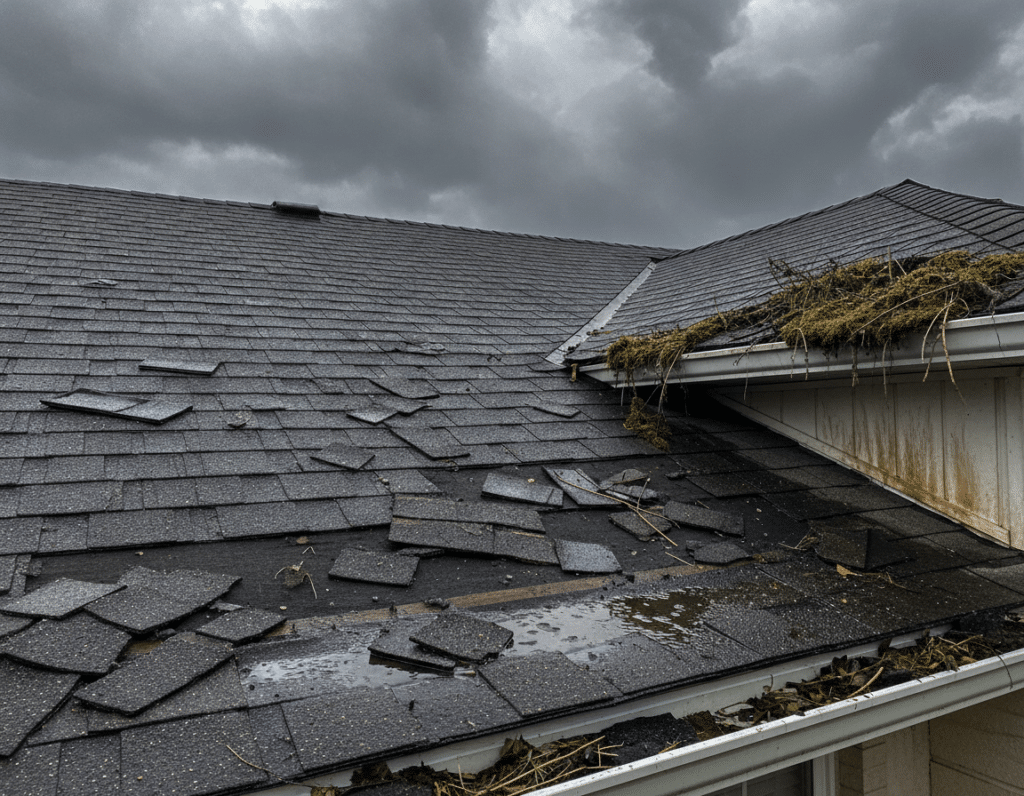
Understanding how these weather elements interact with your roofing is essential. High winds can lift shingles, tear off flashing, or even rip entire sections away. This wind damage is particularly insidious, as it does not impact roofs uniformly. Instead, it often targets edges, loose shingles, and pressure points, leading to a chain reaction of peeling and lifting.
How Heavy Rain, Wind, and Debris Impact Your Roof
Heavy rain can exacerbate existing weaknesses in your roofing. It often finds the weak spots created by wind and hail, leading to leaks that may not be immediately visible. This can cause extensive interior damage over time, affecting ceilings, walls, and floors.
Hail storms are another concern. Hail can cause bruises, cracks, and granule loss on shingles. These damages compromise the protective asphalt coating, accelerating aging and reducing the lifespan of your roofing materials.
Falling debris, such as tree branches and airborne objects, can puncture roofing materials, creating immediate entry points for water. It’s crucial to inspect your roof for these hazards after severe weather events.
Common Types of Storm Damage: From Missing Shingles to Water Leaks
After a storm, homeowners should be aware of common types of damage, including:
- Missing or cracked shingles
- Damaged flashing
- Dented gutters
- Water stains on ceilings
Recognizing these signs early can help you prevent more significant structural issues down the line. High Valley Roofing has extensive experience with the specific storm patterns in Colorado Springs. They know exactly what to look for after severe weather events, ensuring your home remains safe and secure.
For a professional inspection after a storm, consider contacting High Valley Roofing in Colorado Springs at 719-373-9985. Taking action quickly can save you from costly repairs and keep your home protected.
7 Clear Signs of Roof Storm Damage After Heavy Rain
In the aftermath of heavy rain, homeowners should be on the lookout for clear signs of trouble. Identifying these indicators early can save you from costly repairs and ensure your home remains safe. Here are seven signs that may indicate your home has experienced issues due to severe weather.
1. Missing or Broken Shingles
Missing or broken shingles are the most obvious indicators that your home has sustained damage. These bare patches can lead to leaks, allowing water to infiltrate your home. If you notice any missing or broken shingles, it’s essential to address them immediately.
2. Shingle Granules in Your Gutters
Finding excessive shingle granules in your gutters is a critical warning sign. Granules protect the asphalt coating from UV rays and weather. If you see a lot of granules, it means your shingles are aging rapidly and may fail soon.
3. Bent or Detached Flashing Around Chimneys and Skylights
Bent or detached flashing can break the watertight seal around chimneys and skylights. This can allow water to seep into your home’s interior structure, leading to further issues. Inspect these areas closely after heavy rain.
4. Sagging Gutters or Downspouts
Sagging gutters or downspouts often indicate that your drainage system is overwhelmed by debris or water volume. This can lead to water backing up under the roofline, which may cause rot and other serious issues.
5. Water Stains on Your Ceilings or Walls
Water stains on ceilings or walls are a definitive sign that water has already penetrated your home. If you see these stains, it means damage is occurring inside, and repairs should be made promptly.
6. Visible Cracks or Tears on Flat Roof Surfaces
For flat roofs, visible cracks or tears in the membrane are serious concerns. Flat roofs rely on a continuous waterproof barrier, and once compromised, they can allow widespread water infiltration.
7. Accumulated Debris on Roof and in Drainage Systems
Accumulated debris on the roof and in drainage systems can create blockages. This traps moisture against roofing materials, accelerating deterioration and increasing the risk of leaks. Regularly check for and remove debris to maintain your roofing system.
High Valley Roofing’s professional inspectors are trained to identify all seven signs, even those that are not visible from the ground. Ensuring your home remains protected is crucial, so don’t hesitate to reach out for a thorough inspection.
Why You Should Inspect for Roof Storm Damage Immediately After Heavy Rain
After heavy rain, it’s vital to assess your home’s exterior for potential issues. Delaying this inspection can lead to significant problems, such as mold growth and structural weakness. Small openings can quickly escalate into major water damage if left unaddressed.
Prioritize your safety by avoiding climbing onto a damaged roof. Instead, conduct a thorough ground-level survey. Use binoculars to spot any obvious signs of trouble.
Ensuring Your Safety During Inspection
Stay off the roof, as damaged structures may be unsafe. Walk around your home and check for visible signs of damage. Look for fallen shingles in the yard, and examine gutters and downspouts for dents or granule accumulation.
How to Survey Your Roof from the Ground
Follow these practical steps to survey your home effectively:
- Walk the perimeter of your property.
- Look for fallen branches or debris that may have caused issues.
- Check gutters for clogs or signs of granule loss.
Documenting Damage for Repairs and Insurance
Document all visible damage with clear photographs and written notes. This documentation is essential when filing an insurance claim and working with a roofing contractor. If leaks are present, place buckets under drips and cover valuables with plastic sheeting.
High Valley Roofing offers professional inspections that go beyond what the naked eye can see. Their expertise allows them to detect hidden issues that could lead to costly repairs later. Remember, time is of the essence; delaying an inspection can allow moisture to penetrate deeper into your home.
Contact High Valley Roofing for a prompt and thorough inspection. They can help you understand the full extent of any issues and the necessary next steps.
How High Valley Roofing Can Help You Assess and Repair Storm Damage
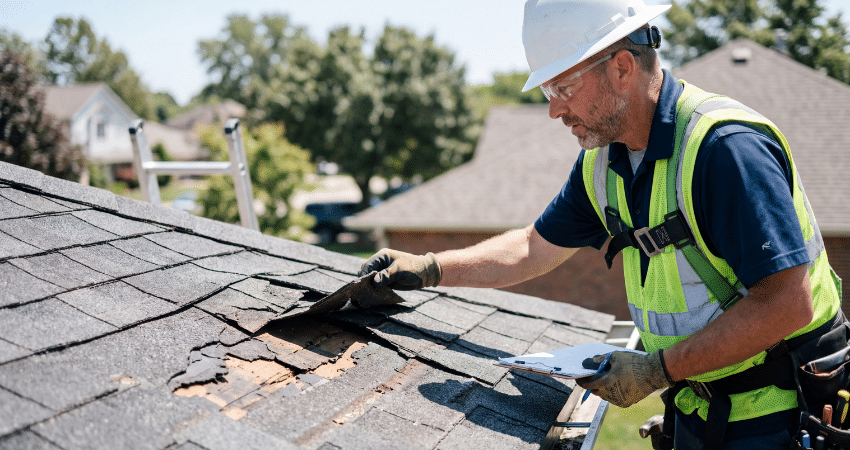
In the wake of heavy rain, quick action from a qualified contractor can protect your home from further harm. High Valley Roofing stands out as Colorado Springs’ trusted local contractor, specializing in assessing and repairing storm-related issues.
With deep experience in handling the aftermath of heavy rain and hail events, High Valley Roofing offers a range of storm damage roofing services tailored to your needs. Their professional roof inspections go beyond simple visual checks. They utilize advanced techniques to evaluate the full extent of damage to shingles, flashing, underlayment, and the roof deck.
Professional Roof Inspections and Damage Evaluation
When you contact High Valley Roofing, you can expect a thorough inspection that documents all storm-related damage. This includes detailed photographs and written reports, ensuring you have all the information needed for repairs and insurance claims.
Emergency Repairs to Secure Your Home
After a storm, securing your home is crucial. High Valley Roofing offers emergency repair services to address immediate concerns. This includes tarping damaged areas to prevent further water intrusion while planning for permanent repairs.
Comprehensive Roof Repair and Replacement Services
High Valley Roofing provides a full suite of repair and replacement services. Whether it’s replacing individual missing shingles or conducting complete roof replacements, their team is equipped to handle it all efficiently. They offer accurate, transparent estimates and work diligently to restore your home and peace of mind.
As a local company, High Valley Roofing understands the specific weather challenges homeowners face in Colorado Springs. They can recommend the best materials and solutions for long-term durability. Their team ensures clear communication throughout the entire process, keeping you informed about timelines, costs, and what to expect at every stage.
Choosing High Valley Roofing means partnering with a contractor who prioritizes quality workmanship and customer satisfaction above all else. Don’t wait for minor issues to escalate; contact them today for a professional inspection and start protecting your home.
Filing an Insurance Claim for Roof Storm Damage: What You Need to Know
Navigating the complexities of insurance claims can be a daunting task for homeowners after severe weather. However, understanding the process and having the right support makes it manageable. This can significantly increase the likelihood of a successful claim.
One of the first steps in this process is documenting damage for insurance purposes. Thorough documentation is critical. You should take clear photographs of all visible damage, keep dated records of the storm event, and obtain a professional inspection report. This report should outline the full scope of necessary repairs.
Documenting Damage for Insurance Purposes
When filing a claim, it’s essential to have comprehensive documentation. Your photographs should clearly show the extent of the damage. Additionally, the inspection report from a qualified contractor will provide a detailed account of the issues. This information is vital when you communicate with your insurance company.
How High Valley Roofing Supports You Through the Insurance Process
High Valley Roofing is here to support homeowners throughout the insurance claims process. They provide detailed inspection reports and can communicate directly with insurance adjusters. This ensures that no damage is overlooked during the assessment.
Common Pitfalls to Avoid When Filing Your Claim
Be aware of common pitfalls that can complicate your claim:
- Delaying the claim filing can jeopardize your coverage.
- Accepting an initial low settlement offer without a professional estimate can lead to inadequate repairs.
- Navigating the process without contractor support may result in missed damage.
It’s also important to review your insurance policy. Understand what types of storm damage are included, especially for wind and hail events. High Valley Roofing has extensive experience working with insurance companies. They can help you present a strong, well-documented claim that reflects the true cost of quality repairs.
Finally, file your claim as soon as possible after discovering damage. Waiting too long can complicate the process and may even result in claim denial. With professional guidance, the insurance process becomes less stressful and more efficient. This allows you to focus on getting your home and life back to normal.
Preventing Future Roof Storm Damage: Practical Tips for Homeowners
Taking proactive steps can significantly reduce the risk of future issues caused by heavy rain and high winds. Homeowners in Colorado Springs should prioritize regular maintenance to protect their homes. Implementing a few simple strategies can save you thousands of dollars in repair costs over time.
Regular Roof Inspections and Maintenance
Scheduling annual inspections with a professional contractor is essential. These inspections help identify weak spots before storms can exploit them. Addressing minor issues promptly can prevent them from escalating into major vulnerabilities during the next heavy rain or hail event.
Gutter Cleaning and Tree Trimming
Regular gutter cleaning is crucial for ensuring that water flows freely away from your home. Clogged gutters can lead to water backing up under shingles, resulting in rot and leaks. Additionally, trimming tree branches that overhang your roof can prevent punctures and broken shingles during high winds.
Upgrading to Impact-Resistant Roofing Materials
Consider upgrading to impact-resistant roofing materials, such as Class 4 shingles or metal roofing. These materials offer superior protection against hail and wind damage common in Colorado Springs. Some metal roofing can withstand wind speeds exceeding 150 mph, providing added peace of mind.
High Valley Roofing can assess your current roof’s condition and recommend the best materials and upgrades for your specific home and budget. Investing in quality materials and professional installation pays off in the long run, reducing maintenance costs and ensuring greater durability during storm season.
Remember, viewing roof maintenance as an ongoing commitment is vital. Partnering with a trusted local contractor ensures consistent, reliable service.
The Consequences of Delaying Roof Storm Damage Repairs
Ignoring repairs after a storm can lead to severe repercussions for your home. Small openings can quickly escalate into major issues, causing extensive water damage. The moisture that seeps in can create unhealthy conditions in your attic and walls, leading to mold and mildew growth.
When water infiltrates your home, it can compromise the structural integrity of your property. Prolonged exposure to moisture can rot decking and weaken rafters, increasing the risk of collapse in extreme cases. It’s essential to act swiftly to prevent these problems from worsening.
From Leaks to Structural Damage and Mold Growth
What starts as a minor leak can rapidly develop into widespread water damage. The cascading effects of ignoring storm-related issues are significant:
- Moisture trapped in attics and wall cavities creates an ideal environment for mold growth, posing serious health risks to your family.
- Prolonged water intrusion can lead to rotting decking and corroding fasteners, ultimately threatening the structural integrity of your home.
- Higher repair costs can arise as damage spreads, leading to increased energy bills due to compromised insulation.
Insurance Claim Complications and Financial Risks
Delaying repairs can also complicate your insurance claims. Insurance companies may deny claims if they determine that damage worsened due to negligence. This can leave you facing substantial out-of-pocket expenses.
Moreover, what begins as a few missing shingles can escalate into the need for a full roof replacement if water is allowed to penetrate and damage the underlying structure over time. It’s crucial to document any damage promptly and reach out for professional help.
High Valley Roofing can assess damage quickly and provide timely repairs that prevent these costly consequences. Addressing roof storm damage immediately is not just about protecting your roof; it’s about safeguarding your entire home, your family’s health, and your financial well-being.
Understanding the Effects of Different Weather Elements on Your Roof
Weather elements can have a significant impact on your home’s exterior. In Colorado Springs, homeowners face unique challenges due to high winds, hail, and heavy rain. Understanding how these elements affect your roofing system is crucial for effective maintenance and repairs.
Wind Damage: How High Winds Affect Shingles and Flashing
High winds can create powerful uplift forces that peel shingles away from the roof deck. This is especially true along edges, ridges, and areas around chimneys and skylights. Winds as low as 45 mph can start to cause damage to vulnerable shingles. However, winds exceeding 58 mph can tear off shingles that were otherwise intact, leading to severe structural issues.
It’s essential to note that wind tends to damage areas that are already loose, causing a chain reaction of problems. Once shingles are lifted, water can infiltrate, leading to further complications. Regular inspections after high winds can help identify and address these issues before they escalate.
Hail Damage: Identifying Bruises, Cracks, and Granule Loss
Hail poses another significant threat to your roofing system. Hailstones can create bruises that weaken the shingle’s mat, crack the surface, and dislodge protective granules. Even hail as small as ¾ inch can damage vinyl siding and window screens, while one-inch hail can bruise the underlayment of shingles.
More severe hail, measuring 1¾ to 2 inches, can penetrate softer areas of your roofing, such as ridge caps or plastic vents. Often, hail damage is not immediately visible from the ground, making professional inspections from High Valley Roofing invaluable after hailstorms.
Heavy Rain and Water Infiltration Risks
Heavy rain can exploit any existing weaknesses in your roofing system. It finds its way through cracked shingles, damaged flashing, and compromised seals, leading to water infiltration. This can result in significant damage to insulation, drywall, and framing within your home.
Water infiltration is one of the most serious and immediate problems following a storm. It can create an environment conducive to mold growth and structural issues if not addressed promptly. Different roofing materials respond differently to these weather elements; for example, asphalt shingles are particularly vulnerable to granule loss and cracking, while metal roofs may dent and flat roofs can develop tears or bubbles.
Colorado Springs often experiences all three weather threats—wind, hail, and heavy rain—sometimes in the same storm. This makes comprehensive post-storm inspections essential. High Valley Roofing’s team understands the nuanced effects of each weather element and can accurately diagnose the full extent of any issues, recommending the most effective repair solutions.
Conclusion
Your home is your sanctuary, and protecting it is essential. After heavy rain, it’s vital to recognize the signs of potential issues. Quick action can prevent minor problems from escalating into costly repairs.
Remember the seven signs of trouble and inspect your property after each major weather event. High Valley Roofing is your trusted local contractor, ready to assist with everything from emergency repairs to full replacements.
Delaying repairs can lead to increased costs and health risks from mold. Take proactive steps by scheduling regular inspections and maintaining your gutters. Consider impact-resistant materials for long-term peace of mind.
Contact High Valley Roofing today for a free storm damage inspection and expert repair services. Your home deserves the best protection, and our team is committed to restoring both your roofing and your peace of mind.
FAQ
What are the signs that my roof has been damaged by a storm?
Look for missing or broken shingles, granules in your gutters, water stains on ceilings, and sagging gutters. These can indicate potential issues.
How can I inspect my roof safely after a storm?
Always prioritize safety. Use binoculars to survey from the ground, and avoid climbing onto the roof unless you are experienced and equipped.
What should I do if I find damage on my roof?
Document the damage with photos and contact a professional for an inspection. They can provide an estimate for repairs and assist with insurance claims.
How can I prevent future storm damage to my roof?
Regular inspections, maintaining gutters, and trimming nearby trees can help minimize risks. Consider upgrading to impact-resistant materials for added protection.
How does heavy rain affect my roof?
Heavy rain can lead to water infiltration, especially if there are existing vulnerabilities like cracks or missing shingles. Prompt inspection is crucial.
What is the process for filing an insurance claim for roof damage?
Document the damage thoroughly, contact your insurance provider, and provide necessary evidence. A professional can help guide you through the claims process.
What are the risks of delaying roof repairs after a storm?
Delaying repairs can lead to leaks, structural damage, and mold growth, which can escalate repair costs and complicate insurance claims.
How can high winds affect my roof?
High winds can lift shingles, damage flashing, and cause debris to impact your roof, leading to potential leaks and further damage.
What should I look for in a roofing contractor?
Look for licensed, insured contractors with good reviews and experience in storm damage repairs. Ask for references and detailed estimates before proceeding.