
When a severe hailstorm strikes in Colorado, it can leave your property vulnerable to damage. In 2022 alone, there were over 4,400 severe reports of hail, resulting in billions of dollars in property damage across the United States. Your home’s protection often begins with the first line of defense against the elements.
Understanding the immediate steps to take after a storm is crucial. By acting quickly, you can help prevent long-term issues like water leaks or mold growth. It’s essential to recognize that a hailstorm can cause significant damage to your property, even if the effects are not immediately visible.
Being proactive in identifying potential damage is key. This approach can save you from more expensive repairs down the line. Following professional guidelines ensures that your home remains in top condition and that your property value is preserved after severe weather events.
Key Takeaways
- Severe storms can lead to significant property damage.
- Acting quickly can prevent long-term issues.
- Damage may not be immediately visible.
- Proactive measures can save money on repairs.
- Follow guidelines to maintain your home’s value.
Understanding Hail Damage and Its Impact
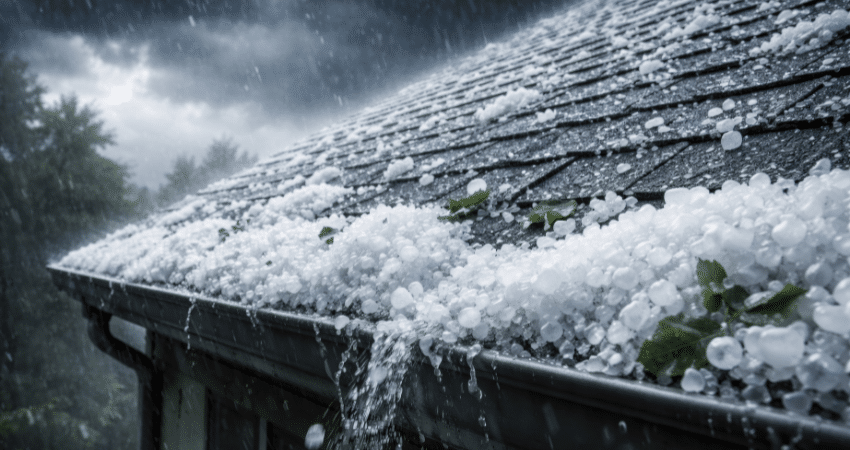
The aftermath of a hail event can expose your property to various types of damage. Understanding how different materials react to hail is essential for assessing potential issues. Each type of roofing material can sustain unique forms of damage, requiring specific attention.
Types of Hail Damage:
| Material | Common Damage | Impact Severity |
|---|---|---|
| Asphalt | Granule loss, dark spots | Moderate |
| Metal | Dents, depressions | Moderate to Severe |
| Wood | Splits, cracking | Severe |
The size of the hail is a critical factor in determining the extent of damage. Hailstones larger than 1 inch can cause significant bruising to the underlying materials. Additionally, changing weather conditions, such as wind speed and direction, can influence how hail impacts your property.
Essential Steps to Protect Your Roof
Once the storm has passed, it’s essential to prioritize personal safety and inspect for damage. Your first step should always be to ensure that you and your family are safe before assessing any property issues.
If you suspect your roof has been compromised, contact High Valley Roofing in Colorado Springs at 719-373-9985. Scheduling a professional inspection is vital to understanding the extent of any damage.
A qualified roofing contractor can identify subtle signs of damage that you might miss. This proactive approach can prevent minor issues from escalating into major structural failures.
Documenting the condition of your roof immediately after a storm provides essential evidence for any future insurance claims. High Valley Roofing specializes in helping residents navigate the complexities of restoring their homes after significant weather-related damage.
- Ensure personal safety before assessing damage.
- Contact High Valley Roofing for a professional inspection.
- Identify subtle signs of damage to prevent bigger issues.
- Document your roof’s condition for insurance claims.
- Utilize expert services for effective restoration.
Inspecting Your Roof: A Practical How-To Guide
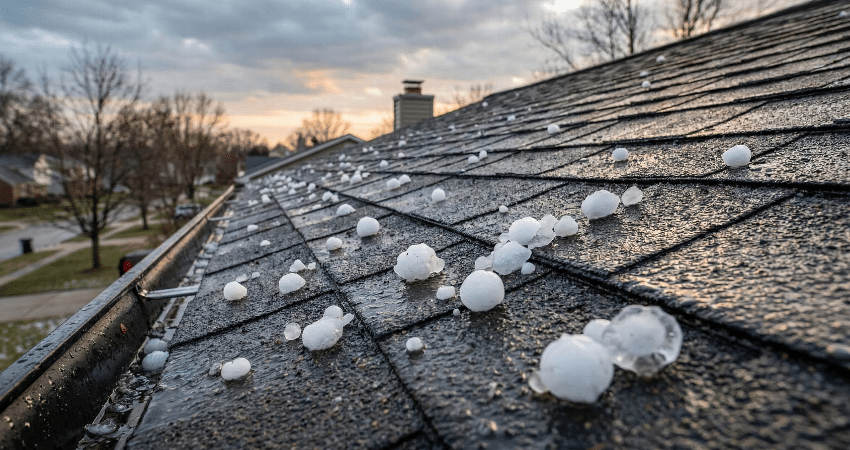
In the wake of a storm, recognizing damage is essential for protecting your home. Start by examining your property for any visible signs of trouble. This includes checking your gutters and downspouts, as dents here can indicate significant impact from hail.
Granule loss is another key indicator of asphalt shingle damage. Look for dark spots or granules collected in your gutters. These signs often reveal underlying issues that could worsen over time.
Be sure to also inspect your siding for impact marks. These can provide clues about the storm’s severity and help you assess whether your roof has sustained similar damage. If you notice signs of hail damage on your windows or deck, it’s likely your roof has been affected as well.
A thorough inspection should include checking for cracked shingles, exposed fiberglass mats, or any visible signs of structural compromise. Taking these steps can help you address potential problems before they escalate.
| Inspection Area | Signs to Look For | Importance |
|---|---|---|
| Gutters | Dents, debris | Indicates roof impact |
| Siding | Impact marks | Clues to storm severity |
| Shingles | Granule loss, cracks | Identifies roof damage |
Evaluating Repair vs. Roof Replacement Options
After a storm, deciding whether to repair or replace your roof is crucial. The choice often hinges on the age of your materials and the extent of the damage. If your roof is relatively new, minor repairs to individual asphalt, metal, or wood shingles may be all that’s needed to restore its integrity.
Consulting with a professional can clarify whether repair costs are justified or if a full replacement is the more cost-effective option. Structural issues such as sagging, rot, or multiple leaks are strong indicators that a full roof replacement is necessary to safeguard your home.
Understanding potential costs is also vital. According to This Old House, replacing a 2,000-square-foot roof can range from $9,858 to $41,822, depending on materials and labor. Being informed about these costs will help you make a sound decision when working with your contractor.
- Deciding between a simple repair and a full replacement depends on the age of your materials and the extent of the storm damage.
- Minor repairs are often sufficient for newer roofs with limited damage.
- Consult with a professional to determine if repair costs are justified.
- Structural issues like sagging or multiple leaks indicate a full replacement is necessary.
Navigating Homeowners Insurance and Claims Process
Understanding your homeowners insurance policy is vital after a storm. Most policies include coverage for hail damage, but the specifics can vary. It’s crucial to know your policy details, including any deductibles for hail damage to your property.
Filing your claim as soon as possible is essential. Many insurance companies impose a one-year time limit for reporting storm damage. Delaying could jeopardize your ability to receive compensation for repairs.
Working effectively with insurance adjusters can streamline the claims process. Provide clear documentation of the damage, including photos of your property. This evidence will support your claim and help expedite the process.
State Farm reported a $1 billion increase in claims costs in 2022, underscoring the importance of having adequate coverage. Always review your policy to determine if you have replacement cost value or actual cash value coverage before finalizing repair plans.
- Understand your specific policy coverage, including deductibles for hail damage.
- File your claim promptly to avoid missing deadlines.
- Document damage thoroughly to assist insurance adjusters.
- Be aware of rising claim costs to ensure adequate coverage.
- Review policy details for replacement cost or actual cash value coverage.
Tips for Quick Recovery and Ongoing Roof Maintenance
Recovering from storm damage requires immediate action and ongoing maintenance. After a storm, it’s vital to schedule professional inspections to identify any hidden issues that may lead to costly repairs later. The Insurance Institute for Business & Home Safety (IBHS) recommends installing a FORTIFIED Roof design to better protect your home against future severe weather events.
Scheduling Professional Inspections Post-Storm
Annual inspections with a qualified roofing contractor can help catch minor issues before they escalate into major leaks or structural damage. This proactive approach is essential for maintaining the integrity of your property.
Preventive Maintenance to Extend Roof Life
Regular maintenance is key to extending the lifespan of your roofing materials. Here are some tips:
- Clean your gutters regularly to ensure water flows freely.
- Trim overhanging tree branches to prevent physical impact during storms.
- Remove debris that can accumulate and cause water backup issues.
- Stay proactive with your maintenance to avoid costly emergency repairs.
By implementing these tips, you can significantly reduce the risk of damage from future storms and ensure your home remains protected.
| Maintenance Task | Frequency | Benefits |
|---|---|---|
| Gutter Cleaning | Twice a year | Prevents water backup |
| Tree Trimming | Annually | Reduces impact risk |
| Professional Inspection | Annually | Identifies minor issues |
Conclusion
Severe weather can create vulnerabilities in your property that require immediate action. Protecting your home after a storm involves thorough inspections and timely communication with your insurance provider to secure necessary coverage.
By recognizing the signs of damage early, you can prevent minor issues from escalating into expensive repairs. Professional inspections are vital for identifying hidden damage to your shingles, windows, and other vulnerable areas of your property.
Maintaining your home through regular cleaning and preventive care is the best way to ensure it remains resilient against future severe weather events. If you suspect your home has been affected, do not hesitate to contact a qualified professional to evaluate your situation and guide your next steps.
FAQ
What are the common signs of hail damage on my roof?
Look for missing or cracked shingles, granule loss, dents, and leaks. Inspect gutters and siding for signs of impact as well.
How can I assess the damage after a hailstorm?
Start by ensuring your safety. Then, conduct a visual inspection from the ground or use binoculars to check for visible damage on your roof.
What should I do if I find hail damage?
Contact a professional roofing company like High Valley Roofing for a thorough inspection and to discuss repair options.
How does homeowners insurance cover hail damage?
Most homeowners insurance policies cover hail damage, but it’s essential to review your specific policy for details on coverage limits and deductibles.
When should I file a claim for hail damage?
File a claim as soon as possible after discovering damage. Prompt reporting can help expedite the claims process.
What are the differences between repair and replacement?
Minor repairs may suffice for small issues, but significant damage or widespread granule loss might necessitate a full roof replacement.
How often should I schedule roof inspections?
It’s advisable to schedule professional inspections at least once a year and after severe weather events to catch potential issues early.
What maintenance can I do to extend my roof’s life?
Regularly clean gutters, check for debris, and ensure proper ventilation. This proactive maintenance can help prevent future damage.