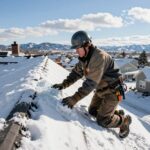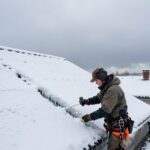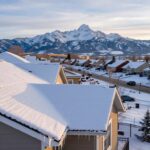

Colorado Springs is known for its beautiful terrain, mountain air, and picturesque communities, but also for its severe and unpredictable weather patterns. The National Weather Service reports over 300 hail events every year in Colorado, with El Paso County presenting one of the highest numbers of roof damage claims.
For many homeowners in Colorado Springs, roofing problems often show themselves before becoming visible leaks or structural concerns. Simply understanding the problems and how to avoid them is worth it to save thousands on repairs and help extend the life of your roofing system.
This in-depth blog will list out the major roofing problems we see regularly and how a professional roofing company in Colorado Springs observes and documents the roof’s exposure to hail prior to the roof’s integrity getting worse over time.
Wind Damage and Shingle Lifting
High wind events routinely occur in Colorado Springs, generally within neighborhoods that are high and wide-open. Wind can easily lift shingles, rip edges, and separate shingles, allowing wetness to infiltrate the roofing deck. It literally creates conditions for shingles to fail, especially since one of the sections could be compromised.
Wind damage can even free the flashing, ridge caps, and seals around skylights or chimneys. Once free, it is common for rainwater to infiltrate the roofing system easily. Roofing systems that were installed properly with enough fasteners decrease the chance of this situation happening.
Ice Dams from Freeze-Thaw
Because there are wide temperature swings in Colorado Springs, roofs are very prone to ice dams. This is due to the continual melting of snow from the sun during the day, while the temperature is below or around freezing at night. The snow runoff during the day builds ice on the edges and refreezes on the edges, and therefore creates little to no drainage.
Over time, this leads to leaking roofs, damaged insulation, and moisture build-up in the house. Preventative measures include good attic insulation and ventilation, which provide more temperature consistency along with good due diligence and winter maintenance.
Poor Ventilation and Heat Build-Up
A poorly ventilated roof has the potential to build up heat and moisture in the attic. In Colorado Springs, you may have harsh sun, but balance that with cold winters, and this imbalance between hot and cold can accelerate shingle aging and promote mold development. Extreme build-up of hot air can cause shingles to prematurely curl or crack.
Similarly, moisture that becomes trapped in the attic can weaken your roof deck, create condensation, or lead to some other form of wood rot. Every roofing system should be designed with a balanced intake and exhaust ventilation system in place to maximize its working life or increase efficiency. In the end, adding ventilation is an investment that pays out in longevity of shingles or reduced energy costs.
Bad Installation from Inexperienced Contractors
One of the largest causes of roofing problems in Colorado Springs is not the weather, but rather the fact that your roof was not installed properly. This often is the result of hiring an unlicensed or inexperienced contractor who skips critical steps in the installation process, such as underlayment installation, fastening patterns, or putting the flashing in properly.
But those are only part of the problems that a lack of proper installation can lead to. The result of bad installation can lead to leaks, premature aging, and possible structural risks.
However, by choosing to use an experienced and reputable roofer near me, you can rest assured that the entire system, including the shingles, flashing, ventilation, and sealing, is assembled to the manufacturer’s standards of proper roof systems. All of the additional parts that go into a roof system are critical to the roof’s overall performance, life, and durability.
Aging Roof Materials
The bottom line is that even the best roof system is eventually going to wear out. In Colorado Springs, UV exposure, snow, hail, wind, and fluctuations in temperature between night and day likely accelerate aging faster than in many cities.
Generally, asphalt shingles are rated for 15–25 years, whereas tile or metal roofs typically are rated for longer, but this can change based on the level of maintenance.
Some common age signs may include cracking, curling, missing granules, and sagging rooflines. Budgeting for the longevity of roofing involves homeowners regularly inspecting their roofs so that they can plan instead of being in an emergency. Taking initiative and replacing an aged roof preserves safety, but it also proactively saves money and protects the balance of your home from water infiltration.
Issues Based on Roof Type
Each roof style presents its unique issues and problems, especially in a diverse climate zone like Colorado Springs. Understanding what that roof is uniquely vulnerable to will allow homeowners to take structural precautions.
Problems with Asphalt Shingle Roofs
Asphalt shingles are the most common type of roofing material in the area and also the most affected by hailstorms or wind, along with UV rays. Granule loss or cracking can compromise the shingle’s ability to shed water. This becomes a leak waiting to happen.
Routine checks and repairs delay the costs of shingle roof repair in Colorado Springs. In addition, using an impact-resistant shingle is an alternative option to reduce storm damage greatly.
Problems with Metal Roofs
Metal roofs can most certainly extend the longevity of a roof, as well as maintain durability in structural design features. Nationally, expansion-and-contraction stress exists. If the panel is not installed properly, it may loosen or shift over time. Fastening of metal roofs also contributes to problems, as fasteners leave points of infiltration through water exposure.
Snow and ice sliding off metal roofs can cause significant damage to gutters or other lower structures. This is mainly an improvement cost for homeowners when it is shown that gutters are damaged. Controlled extension of ice through snow guards is a good improvement option for seasonal movement.
Problems with Tile Roofs
Tile roofs represent beauty and aesthetic design while also providing fire resistance, but tile roofs have their vulnerabilities. Impact from hailstorms is a major cause of damage, combined with cracking or heavy snow that can shift tiles out of place. This exposure makes the waterproof upper cover more vulnerable to water.
Routine improvements and professional maintenance are required on tile roofs to ensure all cracked or loose tiles are noted and located before natural deterioration. Intermittent reinforcement or replacement of an individual tile can help avoid larger concerns.
Preventing Roofing Issues Before They Occur
Prevention is always more economical than repair. Given Colorado Springs’ climate and weather changes, proactive maintenance will ensure the long-term functionality of your roof and safety for your home.
Schedule Yearly Roof Inspections
Having a roof inspected annually is helpful when it comes to discovering potential issues early, such as lifted or cracked shingles and tiles, or the conditions of the flashing or drainage components. Addressing small issues early typically prevents individuals from having to address larger repairs later. The inspector provides roof inspection services in Colorado Springs to evaluate ventilation and insulation because these factors impact the longevity of the roof.
Clean Gutters and Downspouts Regularly
Clogged gutters can cause water to pool and back up, which damages the shingles, fascia boards, and the roof’s deck. When gutters and downspouts function appropriately, water will drain away from a home instead of backing up beneath the roof. Clogged gutters can also cause issues when heavy rains occur, and it is wise to check them periodically throughout the year, especially in the fall or after storms.
Trim Back Overhanging Branches
Branches that overhang are a concern for scraping shingles during wind flows, their potential to fall off, and the weight of snow on such branches. Branches can suddenly fall off trees during heavy winds, causing severe or even catastrophic damage. Trimming trees to avoid overhangs protects the roof and surrounding property.
Identifying When to Call a Professional
Not every roof issue will require an entirely new roof, and it can offer peace of mind and save money by not allowing repairs to become worse. If you see signs of damage such as stains on ceilings, missing shingles, sagging roof pitch, or excessive granule loss, it could be time to get your roof inspected.
A professional roofing contractor in Colorado Springs will review ventilation, flashing, materials, and underlying structure to ensure a repair is addressing underlying causes and not just symptoms.
High Valley Roofing is a well-established local roofing company that specializes in high-quality roof installations, repairs, inspections, and storm damage restoration. We are dedicated to honesty, craftsmanship, and customer satisfaction, assuring the durability and protection of your investment through quality services.
Frequently Asked Questions
- How often should I have my roof inspected in Colorado Springs?
At least once a year, ideally twice a year, before and after severe weather. - What type of roof does well in Colorado Springs’ weather?
Impact-resistant shingles, metal roofing, or concrete tiles. - How will I know if my roof has sustained hail damage?
Look for granule loss, dents, bruising, or cracked shingles. - Should I have my roof repaired or replaced after many years?
If your roof is between 15 to 20+ years old, replacement may be more cost-effective than repeated repairs. - Will roofing problems impact the energy efficiency and cost of my home?
Absolutely. Poor ventilation, leaks, or damaged shingles can impact efficiency and increase energy bills.