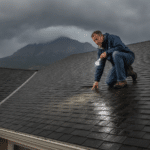
Living in the Centennial State means preparing your home for unpredictable weather. High-altitude storms often bring intense pressure that can damage standard building materials. If you want to keep your property safe, you must prioritize durability during your next renovation.
Understanding specific wind ratings for Colorado gusts acts as your primary defense against severe weather events. These technical metrics tell you exactly how much force your shingles or metal panels can handle before failing. By checking these labels, you ensure your investment remains secure from the ground up.
Selecting the right materials is not just about aesthetics or cost. It is about peace of mind when the sky turns dark and the air begins to howl. Taking the time to research these standards now will save you from costly repairs later.
Key Takeaways
- High-altitude weather requires specialized roofing materials for maximum protection.
- Technical specifications provide a clear indicator of how well a roof survives storms.
- Checking product labels helps you avoid common failures during extreme weather.
- Proper material selection protects your home investment from unexpected damage.
- Prioritizing durability ensures long-term safety for your family and property.
Understanding Colorado’s Unique Wind Climate
The rugged terrain of the Rocky Mountains plays a major role in the wind events you experience daily. When air masses move across these massive peaks, they create complex weather patterns that are rarely seen in flatter regions of the United States. These Front Range wind events are not just typical breezes; they are powerful forces that require specific attention when planning home maintenance.

The Physics of Downslope Winds and Chinook Gusts
Downslope winds occur when air is forced over the Continental Divide and accelerates as it descends the eastern slopes. This process creates the famous Chinook winds, which can strike with sudden, intense force. These gusts often reach speeds of 80 to 100 mph or more, creating a significant challenge for any structure in their path.
The physics behind these events involves a rapid change in air pressure as the wind compresses against the mountainside. Once the air spills over the peaks, it gains momentum, acting like a waterfall of wind hitting the plains. This kinetic energy is what makes these storms so destructive to residential properties.
Why Standard Roofing Often Fails in High-Altitude Environments
When you live in the mountains, your home is subjected to extreme wind uplift pressure that can easily compromise standard materials. Many roofing products are designed for moderate climates and lack the necessary structural integrity to withstand the constant buffeting found at higher elevations. This is why high-altitude roofing requires a more robust approach to installation and material selection.
Standard shingles often fail because they cannot maintain their seal under the intense suction created by high-velocity gusts. If your roof was not installed with these specific environmental factors in mind, the wind uplift pressure can peel back layers and expose your home to moisture. Investing in high-altitude roofing ensures that your home remains secure even when the most severe mountain storms arrive.
Decoding Wind ratings for Colorado gusts
When you shop for roofing materials in the Rockies, the fine print regarding wind ratings for Colorado gusts matters more than you might think. These ratings serve as a guide to how well your roof will perform when severe weather strikes. Understanding these technical labels helps you make an informed decision for your property.
Understanding ASTM D3161 and ASTM D7158 Standards
Roofing products undergo rigorous laboratory testing to ensure they can handle extreme weather. ASTM D3161 is a fan-induced test method for steep-slope roofing products that classifies shingles up to 110 mph. This test simulates the physical force of wind trying to lift shingles from the deck.
In contrast, ASTM D7158 focuses on wind uplift pressure by calculating the resistance of shingles to being blown off. This standard is vital for high-altitude homes where air density and pressure changes affect how wind interacts with your roof. By checking for these certifications, you ensure your materials meet recognized safety benchmarks.
What Class F and Class H Ratings Mean for Your Home
Manufacturers categorize shingles into classes based on their ability to withstand specific wind speeds. A Class F rating indicates that a shingle has passed the ASTM D3161 test at 110 mph. This is often considered the baseline for reliable performance in many residential areas.
For areas prone to more intense gusts, a Class H rating is superior. This classification signifies that the product has passed testing at 150 mph. Choosing a higher class provides an extra layer of security against the unpredictable nature of mountain weather.
| Rating Class | Test Standard | Wind Speed Capacity | Recommended Use |
|---|---|---|---|
| Class D | ASTM D3161 | 90 mph | Low-wind regions |
| Class F | ASTM D3161 | 110 mph | Standard residential |
| Class H | ASTM D7158 | 150 mph | High-altitude/High-wind |
Interpreting Manufacturer Wind Warranties
Reading a manufacturer’s warranty requires careful attention to the specific wind speed coverage. Many warranties only cover damage up to a certain threshold, which may be lower than the actual gusts experienced during a storm. You should verify that the warranty explicitly mentions coverage for the wind speeds common in your local area.
Always look for clauses regarding proper installation requirements, as warranties often become void if the roof is not installed to exact specifications. Ensure your contractor follows the manufacturer’s nailing patterns to keep your coverage intact. Taking these steps protects your investment and provides peace of mind during the storm season.
The Role of Building Codes and Local Regulations
Understanding the regulatory landscape is the first step toward securing a durable roof in the high-altitude environment of Colorado. While national guidelines provide a baseline, your local jurisdiction often adds specific amendments to address the unique challenges posed by Front Range wind events. Adhering to these rules ensures that your property remains resilient against the elements.
The International Building Code (IBC) serves as the foundation for most regional requirements. However, municipal authorities frequently modify these codes to account for local geography and historical weather patterns. Following these Colorado roofing standards is not just a legal necessity; it is a critical component of structural integrity.
Navigating Municipal Requirements in the Front Range
Each municipality along the Front Range maintains its own set of ordinances regarding roofing materials and installation methods. These local rules often dictate the minimum wind resistance ratings required for new shingles or metal panels. You should consult your local building department before starting any project to ensure your plans align with current mandates.
- Verify specific wind speed requirements for your zip code.
- Check for restrictions on roofing materials in historic districts.
- Confirm if your project requires a structural engineer’s review.
- Review local amendments to the International Building Code.
How Elevation Impacts Wind Load Calculations
Elevation plays a massive role in how wind interacts with your home. ASCE 7 provides the structural engineering baseline for minimum design loads and associated criteria for buildings. As you move higher into the mountains, the air density and wind velocity profiles change significantly.
Engineers use these calculations to determine the necessary fastening patterns for your roof. Proper high-altitude roofing requires a deeper understanding of terrain exposure categories. If your home sits on an exposed ridge, it will face much higher wind pressures than a house sheltered in a valley.
The Importance of Local Permit Compliance
Securing the proper permits is the final step in ensuring your roof meets all safety benchmarks. Building code compliance protects you from potential legal issues and insurance claim denials in the future. A permitted project guarantees that a qualified inspector has verified the work against local safety standards.
Skipping the permit process can lead to significant headaches when you decide to sell your home. Most buyers and lenders require proof that all major renovations were completed legally. By prioritizing compliance, you safeguard your investment and ensure your roof is built to handle the next major storm.
Comparing Roofing Materials Based on Wind Resistance
When you live in a high-wind zone, the material you choose for your roof acts as your first line of defense. Selecting the right components is essential to ensure your home remains secure during extreme weather events. Following a consistent roof maintenance guide to protect your home will help you identify if your current materials are meeting these performance standards.
Performance of Asphalt Shingles in High-Wind Zones
Asphalt shingles remain a popular choice for many homeowners due to their affordability and ease of installation. However, achieving high asphalt shingle wind resistance requires selecting products that meet rigorous testing protocols. Manufacturers test these shingles using standards like ASTM D3161 and ASTM D7158 to ensure they can withstand specific wind speeds without lifting or tearing.
You should look for shingles rated as Class F or Class H, which indicate superior performance in high-velocity conditions. These ratings confirm that the adhesive strips and fastening methods are designed to hold firm when gusts strike your roof deck.
Metal Roofing as a Durable Alternative
If you are looking for maximum protection, metal roofing durability is difficult to surpass. Metal panels can be engineered to withstand nearly any uplift force, making them a preferred choice in regions prone to severe downslope winds.
Because metal systems are often installed with interlocking panels or hidden fasteners, they provide a continuous barrier against the elements. This structural advantage significantly reduces the risk of wind-driven water infiltration compared to traditional shingle systems.
Tile and Slate Roofing Considerations
Heavy materials like clay tile and natural slate offer a different approach to wind resistance. These materials rely primarily on their significant mass to stay in place during high-pressure events. However, their weight alone is not enough to guarantee safety in extreme gusts.
Weight and Fastening Requirements for Heavy Materials
To prevent displacement, tile and slate roofs require specialized installation techniques. Contractors must use heavy-duty clips and specific nailing patterns to secure each piece to the roof deck. Without these mechanical fasteners, even the heaviest tiles can become airborne during a severe windstorm.
| Material Type | Wind Resistance Strategy | Primary Benefit |
|---|---|---|
| Asphalt Shingles | Adhesive and Fasteners | Cost-Effective |
| Metal Roofing | Interlocking Panels | High Durability |
| Tile/Slate | Mass and Clips | Extreme Stability |
Installation Techniques That Enhance Wind Performance
Your roof is only as strong as the methods used to secure it against Colorado’s intense gusts. Even the most expensive materials will fail if the installation process does not meet high-wind standards. Focusing on a wind-resistant installation ensures that your home remains protected when severe weather strikes.
The Critical Role of Proper Nailing Patterns
The way your shingles are fastened to the deck is the most important factor in preventing blow-offs. Using the correct number of nails per shingle is essential for maintaining structural integrity during high-pressure events.
Contractors should prioritize the use of ring-shank nails for all shingle applications. These specialized fasteners increase pullout resistance by approximately 50% compared to standard smooth-shank nails. This simple upgrade significantly improves the overall wind-resistant installation of your roof system.
Using High-Quality Underlayment and Starter Strips
A secure roof deck attachment starts beneath the shingles. High-quality synthetic underlayment provides a secondary barrier that stays intact even if shingles are damaged by debris.
Starter strips are equally vital for maintaining the perimeter of your roof. These strips are designed with factory-applied adhesive that bonds the first course of shingles to the drip edge. This connection prevents wind from getting underneath the shingles and lifting them from the deck.
Sealing Techniques for Eaves and Rakes
The edges of your roof, known as eaves and rakes, are the most vulnerable points during a windstorm. Proper sealing techniques at these locations are necessary to maximize asphalt shingle wind resistance.
Applying a high-quality roofing cement or specialized adhesive tape along the perimeter helps lock the shingles in place. This creates a tight seal that prevents wind-driven rain from entering your home. By reinforcing these critical areas, you ensure that your roof can withstand the pressure of powerful mountain gusts.
Identifying Signs of Wind Damage on Your Roof
Performing a thorough roof inspection is essential after any major wind event in Colorado. While some issues are obvious, many signs of distress remain hidden until they cause significant interior leaks. Understanding what to look for helps you address problems before they escalate into expensive repairs.
Spotting Missing or Lifted Shingles
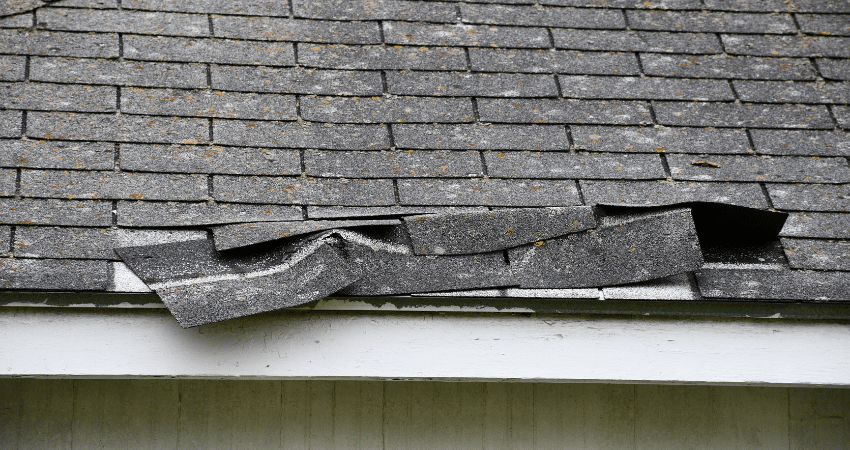
Wind uplift pressure is the leading cause of shingle blow-off and membrane separation during severe weather. When gusts get underneath the edge of a shingle, they can lift it, breaking the factory-applied adhesive seal. You should look for shingles that appear curled, misaligned, or completely missing from the roof deck.
Even if a shingle is not missing, it may have lost its bond with the layer below. If you notice shingles that look “flapped” or uneven, they are likely compromised. These areas are highly susceptible to water intrusion during the next rainstorm.
Detecting Granule Loss and Creasing
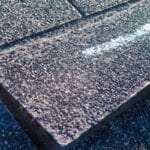
Granule loss is a common indicator of roof wind damage that often goes unnoticed. High winds can scour the surface of asphalt shingles, stripping away the protective mineral coating. If you find excessive granules in your gutters or downspouts, it is a clear sign that your roof has been subjected to extreme stress.
Creasing is another critical warning sign. When a shingle is lifted by wind, it often folds back on itself, creating a horizontal line or “crease” across the material. This crease indicates that the fiberglass mat inside the shingle has been fractured, meaning the shingle will never lay flat again.
Hidden Damage to Flashing and Roof Vents
The most dangerous damage is often found in areas that are not immediately visible. Flashing around chimneys, skylights, and valleys can pull away from the roof surface due to constant vibration and pressure. If the sealant around these metal components is cracked, water will quickly find a path into your home.
Roof vents are also frequent victims of high-altitude gusts. Check for bent metal hoods or loose fasteners that may have been shifted by intense airflow. A compromised vent allows moisture to enter your attic, which can lead to mold growth and structural rot over time.
| Damage Type | Primary Cause | Severity Level |
|---|---|---|
| Missing Shingles | Wind Uplift | High |
| Creased Shingles | Bending/Folding | Medium |
| Loose Flashing | Pressure Shifts | High |
| Granule Loss | Surface Abrasion | Low |
Maintenance Strategies to Prevent Wind-Related Failures
Keeping your home safe from high-altitude gusts requires a consistent maintenance schedule. By staying ahead of potential issues, you protect your property from the harsh realities of Colorado weather. A proactive approach ensures that your roofing system remains strong and reliable throughout the year.
Regular Inspections After Seasonal Storms
You should perform a thorough roof inspection immediately following any major wind event. Walking the perimeter of your home allows you to spot missing shingles or signs of lifting from the ground. If you notice anything unusual, it is wise to use binoculars or hire a professional to examine the roof surface more closely.
Catching minor issues early prevents them from turning into major structural problems. Documenting the condition of your roof after every storm also helps if you ever need to file an insurance claim. Consistent monitoring is the most effective way to mitigate long-term roof wind damage.
Clearing Debris to Reduce Wind Catchment
Debris accumulation on your roof creates unnecessary wind catchment areas. When branches, leaves, or pine needles pile up, they can catch gusts and put extra pressure on your shingles. Furthermore, heavy branches left on the roof can become dangerous projectiles during high-wind events.
Regularly clearing your roof and gutters keeps the surface smooth and aerodynamic. This simple task reduces the force exerted on your roofing materials during a storm. Keeping your roof clear is a vital part of maintaining a wind-resistant installation.
Proactive Repairs for Loose Components
Even the best roofing systems require attention to detail over time. You must check for loose flashing, vents, or shingles that may have shifted during high winds. Securing these components promptly prevents water infiltration and further wind uplift.
If you find loose parts, address them before the next storm arrives. Maintaining the integrity of your wind-resistant installation is much cheaper than replacing an entire roof. Regular maintenance ensures that your home stays protected against the unpredictable Colorado climate.
Working with Professional Roofing Contractors
Your roof’s ability to withstand high-altitude gusts depends heavily on the expertise of the professional you hire. Choosing a contractor who understands the unique challenges of the Colorado climate ensures your home remains secure during severe weather events.
Vetting Contractors for Wind-Specific Experience
When interviewing potential roofers, prioritize those with a proven track record in high-wind regions. Ask them specifically about their experience with systems designed for extreme weather, such as metal roofing durability. A skilled contractor will explain how different materials react to pressure and why certain systems perform better than others in mountainous terrain.
Request references from past clients who live in areas with similar wind exposure to your own. A reputable professional should be happy to share examples of their work and explain the specific challenges they overcame during those projects.
Asking the Right Questions About Installation Standards
The technical details of the installation are just as important as the materials you choose. You should ask your contractor about their specific methods for roof deck attachment to ensure the structure can handle uplift forces. Inquire if they use ring-shank nails, which provide superior holding power compared to standard smooth-shank fasteners.
Proper fastening is the primary defense against wind damage. Ensure your contractor follows the manufacturer’s installation guidelines to the letter, as deviations can void your warranty and compromise the integrity of the entire system.
| Installation Feature | Standard Practice | High-Wind Requirement |
|---|---|---|
| Fastener Type | Smooth-shank nails | Ring-shank nails |
| Deck Attachment | Standard spacing | Reinforced pattern |
| Metal Performance | Basic wind rating | Up to 180 psf uplift |
Ensuring Proper Documentation for Insurance Claims
Maintaining thorough records of your roofing project is essential for future insurance claims. Ask your contractor to provide a detailed scope of work that includes the specific wind ratings of the materials installed. For instance, standing seam metal roofs can be tested to withstand uplift pressures up to 180 psf, and having this documentation on file proves your home meets high-performance standards.
Keep copies of all permits, inspection reports, and final invoices in a safe place. If your roof sustains damage, these documents serve as vital evidence that your system was installed correctly and met all local building codes at the time of construction.
Conclusion
Protecting your property from the intense gusts common in the Rocky Mountain region requires a proactive mindset. You hold the power to minimize storm damage by prioritizing high-quality materials and expert craftsmanship.
Your commitment to Colorado roofing standards serves as the primary barrier against extreme weather events. These guidelines exist to ensure that every component of your roof system functions as a cohesive unit during high-pressure wind cycles.
Strict building code compliance remains the most effective way to safeguard your investment. Local regulations reflect the specific environmental challenges of your elevation and geography. By following these rules, you align your home with proven safety benchmarks.
A resilient roof is never a one-time purchase. It represents an ongoing partnership between you and your chosen roofing professional. Regular checkups and immediate attention to minor wear keep your home secure for years to come.
Take the initiative to review your current roof status today. Reach out to certified contractors who understand the nuances of regional wind patterns. Your peace of mind starts with a roof built to withstand the elements.
FAQ
Why do Front Range winds require specialized roofing designs compared to other regions?
The Front Range and mountain passes in Colorado experience unique atmospheric conditions known as Chinook winds. These downslope gusts create intense wind uplift pressure that can literally peel standard materials off a roof deck. By utilizing specialized designs and high-performance products from brands like CertainTeed or Malarkey, you ensure your home can withstand the physics of high-altitude pressure differentials that lower-elevation regions rarely encounter.
What is the difference between Class F and Class H wind ratings for shingles?
These ratings, determined by ASTM D3161 and ASTM D7158 testing standards, measure a shingle’s ability to stay attached at specific speeds. A Class F rating certifies the product for winds up to 110 mph, while a Class H rating is the gold standard, certifying performance up to 150 mph. When reviewing your Owens Corning or GAF warranty, you must verify that the product is rated for the specific wind speeds documented by your local Colorado weather station.
How do the International Building Code and local amendments affect my roof replacement?
Your project is governed by strict regulatory frameworks that dictate how a roof must be anchored based on your home’s “Exposure Category” and elevation. For example, the Pikes Peak Regional Building Department often requires specific wind load calculations that go beyond general state guidelines. These codes ensure that your contractor uses the correct number of fasteners to prevent your roof from becoming a liability during a high-wind event.
Is metal roofing significantly more durable than asphalt shingles in high-wind zones?
Metal roofing, such as standing seam systems from McElroy Metal, offers a distinct structural advantage because the panels are mechanically fastened or snapped together, creating a continuous shield. While premium asphalt shingles are effective, metal systems and specialized stone-coated steel like DECRA rely on integrated locking mechanisms and specialized clips that provide superior resistance to uplift compared to the adhesive strips found on traditional shingles.
Why are ring-shank nails and specific nailing patterns required for Colorado roofs?
Standard smooth nails can pull out of the roof deck under the rhythmic vibration of a windstorm. Ring-shank nails feature threaded ridges that “lock” into the wood, providing significantly higher pull-out resistance. When your contractor follows a six-nail pattern instead of the standard four-nail application, they are reinforcing the roof’s structural integrity and ensuring your installation meets the high-wind requirements of the International Building Code.
What are the “hidden” signs of wind damage that I should look for after a storm?
Damage isn’t always as obvious as a missing shingle. You should look for “creasing,” which occurs when a shingle is lifted and folded back by the wind, breaking the internal fiberglass mat. Additionally, check for excessive granule loss in your gutters and inspect your flashing and VELUX skylight seals. These areas are often the first points of failure, allowing wind-driven rain to penetrate your home even if the shingles appear intact from the ground.
How does regular maintenance reduce the risk of a total roof failure?
Proactive maintenance, such as clearing debris from valleys and checking the “drip edge” at your eaves, prevents wind from catching loose edges. By scheduling a professional inspection after major seasonal storms, you can identify loose components or compromised sealant before the next wind event turns a minor repair into a major insurance claim. Maintaining the integrity of your roof’s perimeter is the most effective way to prevent catastrophic uplift.
What should I ask a contractor to ensure they understand high-wind installation standards?
You should ask for specific details regarding their deck attachment techniques and whether they use UL 2218 Class 4 impact-resistant materials. Ensure they are familiar with local municipal requirements for your specific elevation and ask how they document the installation for insurance purposes. A qualified professional will be able to explain how they seal eaves and rakes to prevent wind-driven rain and provide documentation that your new roof meets or exceeds local wind-load certifications.