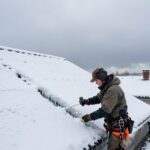

Living near the Rockies means facing harsh weather. High winds and heavy hail often impact your home’s exterior.
Identifying early signs of trouble prevents costly leaks. You might notice loose shingles or debris scattered across your yard.
Sometimes, issues remain hidden from view. Professional contractors possess the expertise to spot subtle wear that ground-level inspections miss.
Understanding these risks helps maintain your property value. Proactive care ensures your shelter stays secure throughout every season. Recognizing Colorado roof storm damage early saves you significant stress later.
Key Takeaways
- High winds and hail frequently threaten residential structures.
- Early detection prevents interior water intrusion and structural decay.
- Visible debris or missing shingles indicate immediate maintenance needs.
- Hidden problems often require professional assessment from licensed experts.
- Regular inspections protect your investment against seasonal weather extremes.
How Colorado Storms Cause Roof Damage
Your roof faces constant pressure from the diverse and often volatile weather conditions found across Colorado. These environmental factors work together to weaken your roofing system over time. Understanding these stressors helps you identify potential issues before they lead to costly interior repairs.

Hail Damage From Colorado Thunderstorms
Hailstorms in this region can be incredibly intense, even if they only last for a few minutes. These storms often strike with enough force to puncture shingles or shatter protective layers. When you experience hail damage roof Colorado residents often see, it is vital to inspect the flashing and vents for signs of impact.
- Bruised or cracked shingles that lose protective granules.
- Dents in metal flashing, gutters, and chimney caps.
- Exposed underlayment that leaves your roof vulnerable to moisture.
High Winds, Tornadoes, and Flying Debris
Strong gusts can lift shingles and compromise the structural integrity of your roof deck. When you deal with wind damage roof Colorado storms frequently cause, the primary issue is often uplift. This force pulls shingles away from the adhesive strips, allowing water to penetrate the underlying layers.
Flying debris, such as tree branches or outdoor furniture, can also puncture the roof surface. These impacts create immediate entry points for rain and snow. Even if the damage seems minor, it can lead to significant leaks during the next storm.
Heavy Snow, Ice, and Freeze-Thaw Stress
Winter brings its own set of challenges, particularly when snow accumulates on your roof. As heat escapes from your attic, it melts the bottom layer of snow, which then refreezes at the eaves. These ice dams Colorado homeowners face can force water back under your shingles and into your home.
The constant cycle of freezing and thawing also causes materials to expand and contract. This movement can loosen fasteners and create gaps in your roofing system. Over time, this stress leads to cracks and structural fatigue that are difficult to detect without a professional inspection.
Why Damage May Appear After the Storm
You might not notice the effects of a storm immediately after it passes. Small defects, such as microscopic cracks or slightly lifted shingles, often remain hidden until the next weather event. These weakened areas become more susceptible to further ice dams Colorado winters produce or the next round of high winds.
Over time, exposure to sunlight and temperature fluctuations makes these initial weaknesses worse. What starts as a minor issue can quickly escalate into a major leak. Regularly monitoring your roof ensures that you catch these hidden problems before they compromise your home’s safety.
What Counts as Storm Damage on a Roof in Colorado
Identifying storm damage on your Colorado roof requires a keen eye for specific structural changes. While some issues are obvious, others remain hidden until they cause significant interior problems. Understanding these indicators helps you protect your home investment effectively.

Missing, Lifted, or Creased Shingles
High winds often target the edges of your roof, where shingles are most vulnerable. You may notice missing shingles that leave the underlying felt exposed to the elements.
In other cases, shingles might appear lifted or creased. This happens when wind forces air underneath the material, breaking the adhesive seal and bending the shingle permanently.
Hail Bruises, Cracks, and Exposed Underlayment
Hailstones can cause localized impact points known as hail bruises. These marks often look like dark spots where the protective granules have been knocked away from the asphalt mat.
Over time, these bruises can lead to cracks that allow moisture to seep into your home. If the damage is severe enough, you might see exposed underlayment, which is a clear sign that your roof’s primary defense is compromised.
Damaged Flashing, Vents, Gutters, and Chimneys
Storms do not just affect the shingles; they also damage the metal components of your roof system. Dented vents or bent flashing can create gaps where water can easily enter your attic.
Check your gutters for signs of impact or debris buildup caused by heavy winds. Even minor damage to chimney caps or flashing can lead to leaks that compromise your roof’s overall integrity.
Roof Leaks, Water Stains, and Interior Damage
Interior signs are often the most alarming indicators of a failing roof. If you notice water stains on your ceiling or walls, it suggests that a storm-created opening is allowing moisture to penetrate your home.
These leaks often appear in areas directly below damaged shingles or compromised flashing. Addressing these issues quickly prevents mold growth and structural rot within your attic space.
How to Distinguish Storm Damage From Normal Wear
It is important to differentiate between sudden storm damage signs and the gradual aging of your roof. Normal wear typically involves uniform granule loss or curling due to long-term sun exposure.
- Storm damage is usually random and localized, while aging is consistent across the entire roof.
- Missing shingles from a storm often leave clean, straight lines where the adhesive failed.
- Hail bruises appear as random, circular indentations rather than the widespread thinning seen in older roofs.
Hail Damage Signs You Can Safely Check From the Ground
Assessing your roof after a severe storm does not always require a ladder or professional gear. You can identify many warning signs by simply walking around your property and observing the exterior of your home. This proactive approach helps you gather necessary information before calling in a professional inspector.
Patterns of Dents on Shingles and Metal Components
Look closely at your roof’s metal vents, flashing, and chimney caps for signs of impact. Hail often leaves distinct, random patterns of dents on these soft metal surfaces. If you see these marks, it is highly likely that your shingles sustained similar impacts during the storm.
While asphalt shingles may not show dents as clearly as metal, they often display dark spots where the protective coating has been compromised. These patterns are usually scattered rather than uniform, which helps distinguish them from general wear and tear. Keep in mind that some of these marks may be classified as cosmetic hail damage, which insurance companies might not cover if the roof’s functionality remains intact.
Granule Loss in Gutters and Downspouts
One of the most reliable indicators of roof distress is the presence of loose material in your drainage system. Check your gutters and the area beneath your downspouts for an accumulation of dark, sand-like particles. This granule loss occurs when hail strikes the shingles, dislodging the protective layer that shields your roof from UV rays.
Finding a significant amount of these granules suggests that your shingles have been weakened. When the underlying mat is exposed, the roof becomes more susceptible to water infiltration and long-term degradation. Documenting this debris is a helpful step when preparing for a formal insurance claim.
Damage to Siding, Windowsills, Fences, and Vehicles
Your roof is rarely the only part of your property affected by a severe storm. Inspect your siding for cracks or chips, and check your windowsills for signs of impact. Fences and vehicles parked outside are also excellent indicators of the storm’s intensity.
| Property Element | Common Damage Sign | Indication Level |
|---|---|---|
| Metal Vents | Random Dents | High |
| Gutters | Granule Accumulation | High |
| Siding | Cracks or Chips | Moderate |
| Vehicles | Dents on Hood/Roof | High |
Why You Should Not Climb Onto a Damaged Roof
It is tempting to get a closer look at your roof, but you should never climb onto it yourself. Wet or damaged shingles are extremely slippery and can lead to dangerous falls. Furthermore, walking on a compromised roof can cause additional damage, potentially voiding your warranty or complicating your insurance claim.
Always rely on a qualified professional to perform a detailed inspection. They have the proper safety equipment and training to navigate your roof without causing further harm. By staying on the ground, you protect your physical safety and ensure that your property remains in the best possible condition for the adjuster.
Wind Damage Signs That May Require Prompt Repairs
High winds in Colorado can turn a sturdy roof into a major liability in just a few minutes. When severe weather strikes, your roof often bears the brunt of powerful gusts that can compromise its integrity. Recognizing these signs early is essential to avoid costly roof repair in Colorado Springs before the situation worsens.
Shingles With Lifted, Torn, or Missing Edges
Wind often catches the edges of shingles, causing them to lift or curl upward. Once the seal is broken, these shingles become vulnerable to further wind uplift and water intrusion. You may notice missing shingles scattered in your yard, which is a clear indicator that your roof leaks after storm conditions have passed.
Exposed Fasteners, Underlayment, and Roof Decking
When shingles are torn away, the underlying layers of your roof are left unprotected. You might see exposed nails, felt paper, or even sections of the wooden roof deck. These gaps create direct pathways for moisture to enter your home, leading to interior water damage and rot.
Fallen Branches, Punctures, and Structural Impacts
Severe wind events frequently bring down heavy tree limbs onto residential roofs. These impacts can cause punctures in the roofing material or dent the underlying structure. Even if the damage seems minor, these points of impact often become the primary source of roof leaks after storm events.
Safety Concerns After Severe Wind or Tornadoes
Never attempt to climb onto your roof to remove debris or inspect damage immediately after a storm. Unstable shingles and compromised decking pose a significant risk of injury. It is much safer to document the damage from the ground and contact a professional for your storm damage roof repair needs.
What to Document Before You Contact Your Insurance Company
Protecting your financial interests starts with a systematic method to document roof damage after a Colorado weather event. By gathering clear evidence early, you provide your insurer with the necessary proof to process your claim efficiently. This proactive approach helps you avoid delays and ensures that every affected area is accounted for during the assessment.
Photographing Exterior and Interior Damage
Start by taking high-resolution photos of your roof from the ground, focusing on areas with visible dents, missing shingles, or debris. Do not climb onto the roof yourself, as this can be dangerous and may void certain warranties. Instead, capture clear images of your siding, gutters, and any interior water stains on your ceilings or walls.
Recording the Storm Date and Visible Conditions
Keep a detailed log of exactly when the storm occurred and what you observed during the event. Note the duration of the hail or high winds and any specific sounds you heard, such as heavy impacts on the roof. This timeline helps adjusters correlate your damage with specific weather patterns in your area.
Saving Damaged Materials, Receipts, and Repair Records
If you find loose shingles or pieces of metal in your yard, collect them and store them in a safe place. These physical samples serve as tangible proof of the materials used on your home. Additionally, gather all receipts for emergency repairs or temporary tarps you purchased to prevent further water intrusion.
Creating a Room-by-Room Inventory of Water Damage
Walk through every room in your house to identify signs of moisture or structural stress. Create a written list that connects specific water spots to damaged belongings or building materials. This inventory acts as a roadmap for the adjuster, ensuring they do not overlook hidden issues inside your home.
Obtaining Weather Verification for Your Colorado Address
Official weather reports provide the final piece of the puzzle for your claim. You can often obtain certified reports that confirm hail size or wind speeds at your specific location. When combined with a professional roof inspection Colorado experts provide, this data creates a compelling case for your insurance company. A formal report from a qualified or Haag-certified professional adds significant weight to your documentation, ensuring your roof inspection Colorado results meet industry standards.
How Insurance Coverage Typically Handles Roof Storm Damage
Navigating the complexities of a roof insurance claim in Colorado requires a clear understanding of your policy terms. Insurance providers evaluate damage based on specific criteria, including the cause of loss and the current condition of your roofing materials. Knowing how these factors interact helps you manage expectations during the recovery process.
Covered Perils Such as Hail and Wind
Most standard homeowner policies cover damage caused by sudden, accidental events like hail and high winds. These are classified as “covered perils” in your agreement. However, the insurer must verify that the damage resulted directly from the storm rather than long-term wear.
Deductibles, Actual Cash Value, and Replacement Cost
Many policies now feature a specific wind and hail deductible, which is often calculated as a percentage of your dwelling coverage. For example, if your home is insured for $500,000 and you have a 2% deductible, you are responsible for the first $10,000 of repair costs. This amount is subtracted from your total claim payout.
Insurers also distinguish between replacement cost and actual cash value roof coverage. Replacement cost covers the expense of installing a new roof at current market prices. Conversely, an actual cash value roof settlement accounts for depreciation, meaning you receive the current value of the roof based on its age and remaining lifespan.
| Coverage Type | Payment Basis | Depreciation Applied |
|---|---|---|
| Replacement Cost | Full cost to replace | No |
| Actual Cash Value | Current market value | Yes |
| Percentage Deductible | Based on dwelling limit | N/A |
Pre-Existing Damage, Aging Materials, and Maintenance Exclusions
Insurance companies generally do not cover damage resulting from poor maintenance or natural aging. If your roof was already failing due to missing granules or cracked shingles before the storm, the claim might be denied. Documentation of regular inspections can help prove that the damage is storm-related.
Why Your Policy Language Controls the Claim
Your declarations page and policy booklet serve as the final authority for your claim. These documents outline specific exclusions and coverage limits that adjusters must follow. Always review these pages carefully to understand your financial obligations before filing.
Questions to Ask Your Insurance Adjuster
When an adjuster visits your property, ask for clear, written explanations regarding their findings. Inquire about how they calculated the depreciation and whether they identified any pre-existing issues. Requesting that they tie their decisions to specific sections of your policy ensures transparency throughout the process.
Steps to Take After a Storm Damages Your Roof
Navigating the aftermath of a severe Colorado storm can feel overwhelming, but a clear plan helps you manage repairs effectively. By following a structured approach, you protect your home from secondary damage and ensure a smoother recovery process. Taking these steps promptly allows you to regain control of your property’s condition.
Preventing Further Damage Without Making Permanent Repairs
Your first priority is to stop water from entering your home. If you notice active leaks, use a temporary roof tarp to cover the damaged area until professional help arrives. This simple measure prevents interior water damage to your ceilings, walls, and flooring.
Avoid attempting permanent repairs yourself, as this can be dangerous and may void your warranty. Focus only on mitigation efforts like removing standing water or covering exposed decking. Document these temporary fixes with photos to show your insurance provider later.
Contacting Your Insurance Company Within Its Required Timeline
Review your policy to understand the specific deadlines for filing a claim. Most providers require notification shortly after the event to ensure an accurate assessment of the damage. Delaying this call can complicate your ability to secure coverage for necessary repairs.
When you call, provide the date of the storm and a brief description of the visible issues. Ask for a claim number and the name of the adjuster assigned to your case. Keep a detailed log of every conversation you have with your insurance representative.
Hiring a Qualified Colorado Roofing Contractor
Finding a reputable professional is essential for high-quality results. Always look for a licensed Colorado roofing contractor who has experience with local building codes and weather patterns. Verify their credentials, insurance coverage, and local references before signing any agreements.
What to Check in a Contractor’s Estimate
A professional estimate should be detailed and transparent. Ensure it lists specific materials, quantities, labor costs, and the exact locations of the damage. Compare these items against the scope of work required to restore your home to its pre-storm condition.
| Feature | Professional Contractor | Unlicensed Operator |
|---|---|---|
| Licensing | Verified and Current | None or Expired |
| Written Estimate | Detailed and Itemized | Vague or Verbal |
| Payment Terms | Standard Industry Practice | Demands Cash Upfront |
| Warranty | Workmanship Guaranteed | None Provided |
Comparing the Adjuster’s Findings With the Roof Inspection
Once the insurance adjuster completes their inspection, compare their report with the one provided by your contractor. Discrepancies in the quantity of materials or the extent of the damage are common. If the figures do not align, ask your contractor to provide documentation to support their findings for your roof replacement insurance claim.
Recognizing Pressure Tactics and Unlicensed Roofing Work
Be wary of contractors who use high-pressure sales tactics or demand immediate payment. Legitimate professionals will never force you to sign a contract on the spot or insist that you use their specific insurance process. Avoid anyone who offers to waive your deductible, as this is often considered insurance fraud. Always prioritize quality and transparency over speed or low-cost promises.
Conclusion
Managing the aftermath of a major weather event requires a calm and methodical approach. You should prioritize your safety by staying off the roof and relying on ground-level observations to assess the situation. Utilizing a reliable roof storm damage checklist helps you organize your findings before you speak with your insurance provider.
Understanding the nuances of Colorado roof damage insurance ensures you remain informed throughout the recovery process. Coverage often hinges on the specific terms of your policy and the functional condition of your materials. You must verify if your claim involves covered perils like hail or wind rather than maintenance issues or normal aging.
Documenting every detail provides the evidence needed to support your case. Professional guidance from a trusted local expert can clarify whether your home sustained significant storm damage on a roof in Colorado. Taking prompt, careful action protects your investment and restores your peace of mind after the clouds clear.
FAQ
Why should I have a professional inspect my roof even if I don’t see a leak?
In Colorado, storm damage is often deceptive; hail can cause “bruises” or punctures that aren’t visible from the ground but compromise the integrity of your shingles. A licensed roofing contractor can identify these hidden issues, along with damaged flashing, vents, or chimneys, before the next rain or snow cycle turns a minor defect into a major interior leak. Professional inspections are safer than climbing onto unstable shingles and provide the technical evidence needed for insurance claims.
How do Colorado winters contribute to long-term roof damage?
Beyond heavy snow loading, escaping attic heat can melt snow that then refreezes at the eaves, creating ice dams. These dams push water beneath your shingles and underlayment. When combined with the freeze-thaw movement common in the Rocky Mountain region, these conditions can worsen existing small defects caused by previous wind or hail events, eventually exposing weakened roofing components to the elements.
What are the signs of hail damage I can safely spot from the ground?
You can safely look for repeated patterns of dents on metal components like gutters, downspouts, and vents. Check your yard for shingles or significant granule accumulation at the base of your downspouts. Additionally, if your siding, fences, or vehicles show impact marks, your roof likely sustained similar hail stress during the storm. If you see these signs, it is time to call a professional for a closer look.
What is the difference between functional and cosmetic hail damage?
Functional damage refers to defects that affect the roof’s ability to shed water or reach its expected lifespan, such as fractured asphalt mats or exposed underlayment. Some insurance policies may categorize small dents as “cosmetic” if they do not impact the roof’s performance, potentially limiting your coverage. You should review your policy’s declarations page and ask your adjuster for a written explanation based on specific policy language.
How does a percentage-based wind and hail deductible affect my claim?
Many Colorado homeowners have a separate wind and hail deductible based on a percentage of the home’s total insured value rather than a flat fee. For example, on a home with a 0,000 dwelling limit, a 2% deductible would mean you are responsible for the first ,000 of the repair costs. This can be substantially larger than expected, so it is vital to verify your deductible amounts before a storm occurs.
Why is a certified roof inspection beneficial for a storm claim?
A certified inspector is trained to recognized industry standards to distinguish between sudden storm-created openings and gradual deterioration caused by age or sunlight. Their detailed written report provides a professional level of evidence that can help you compare findings with an insurance adjuster’s assessment, ensuring that all functional damage to shingles and decking is documented.
What should I document before contacting my insurance company?
You should take clear photographs of the damage from the ground and record the exact storm date and time for weather verification. Create a room-by-room inventory of any interior water stains, ceiling damage, or affected belongings. Additionally, save any receipts for emergency mitigation—such as tarping or covering openings—and keep any damaged materials that were removed during temporary repairs.
What is the difference between Replacement Cost Value (RCV) and Actual Cash Value (ACV)?
RCV coverage is designed to pay the full cost of replacing your roof at current market prices for labor and materials. In contrast, ACV coverage subtracts depreciation based on the roof’s age and condition. If you have an older roof and an ACV policy, your initial claim payment will be lower, potentially leaving you with higher out-of-pocket expenses for a full replacement.