
As the temperature climbs during the peak of the season, your home faces a silent threat from above. You might wonder if the intense summer heat can actually compromise the integrity of your roof. While these materials are designed to withstand the elements, prolonged exposure to extreme conditions often leads to significant roof heat damage.
Direct sunlight acts as a catalyst for deterioration, especially when your home lacks natural shade. Over time, high thermal stress causes asphalt shingles to lose their protective granules and become brittle. This process weakens the structure, making your home vulnerable to leaks and other costly issues.
Understanding how your roof reacts to these harsh conditions is the first step toward prevention. By recognizing early warning signs and taking proactive measures, you can extend the lifespan of your investment. We will explore the factors that contribute to this wear and provide practical tips to keep your home safe and cool.
Key Takeaways
- Extreme temperatures can accelerate the aging process of roofing materials.
- Loss of protective granules is a primary indicator of thermal stress.
- Proper attic ventilation helps mitigate the impact of high temperatures.
- Regular inspections allow you to catch minor issues before they escalate.
- Strategic shade and reflective coatings can significantly lower surface temperatures.
How Summer Heat Affects Your Asphalt Shingles
When the sun beats down on your home, your roof undergoes a complex series of chemical and physical changes. Asphalt shingles are engineered to withstand various elements, but extreme summer conditions push these materials to their limits. Understanding these reactions helps you protect your investment and extend your asphalt shingle lifespan.
Why asphalt shingles absorb and retain heat
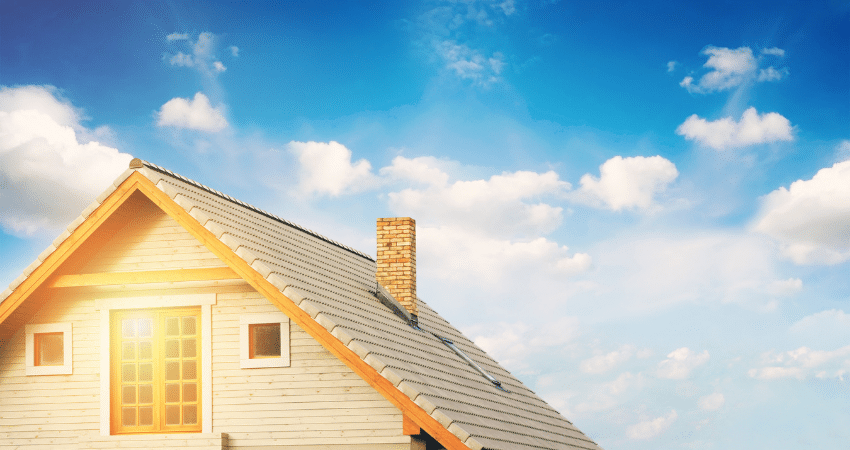
Most modern shingles consist of a fiberglass mat coated in asphalt and topped with protective mineral granules. These dark-colored granules are designed to absorb solar energy, which can cause the roof surface temperature to rise significantly higher than the surrounding air. As the asphalt layer softens under this intense heat, it becomes more susceptible to physical deformation.
How repeated heating and cooling create thermal stress
Your roof experiences a constant cycle of expansion during the day and contraction at night. This daily movement creates significant thermal stress on the shingle structure. Over time, this repetitive motion can weaken the bond between the granules and the asphalt base, leading to premature material failure.
The difference between normal weathering and heat-related damage
Normal weathering is a slow process where shingles lose a small amount of granules over many years. In contrast, heat-related damage often manifests as blistering, where trapped moisture pockets expand and pop through the surface. This process accelerates the degradation of the protective layer, exposing the underlying fiberglass mat to harmful ultraviolet radiation.
How direct sunlight, humidity, and overnight temperatures work together
High humidity levels often trap heat within the attic space, preventing the roof deck from cooling down effectively at night. When the roof surface temperature remains elevated for extended periods, the asphalt does not have the chance to regain its structural rigidity. This combination of factors creates a perfect environment for accelerated material fatigue.
Why extreme heat is more concerning for older roofs
As shingles age, they naturally lose the oils that keep them flexible. Older roofs are much less capable of handling the thermal stress caused by summer heat waves. Brittle shingles are prone to cracking and curling, which can lead to leaks and further structural damage.
| Condition | Impact on Shingles | Resulting Damage |
|---|---|---|
| High Solar Exposure | Asphalt Softening | Granule Loss |
| Thermal Cycling | Material Expansion | Cracking/Curling |
| Trapped Humidity | Internal Pressure | Surface Blistering |
Can Asphalt Shingles Withstand High Summer Temperatures?
You might wonder if your roof can truly handle the intense heat of a typical American summer. Most modern asphalt shingles are engineered to endure the varied climate conditions found across the United States. They provide a reliable barrier against the elements when installed correctly.
How asphalt shingles are designed to handle typical U.S. climates
Manufacturers design these products to balance flexibility and rigidity. This allows the material to expand and contract during daily temperature shifts without losing structural integrity. Over time, you will see signs of normal weathering, which is a standard part of the product’s lifecycle.
Temperature limits, manufacturer ratings, and roof material quality
It is essential to review the specific manufacturer ratings for your roofing materials. These ratings indicate the maximum temperature thresholds the shingles can sustain before the asphalt begins to soften or lose its protective granules. High-quality shingles often feature advanced polymers that improve heat resistance compared to budget-friendly alternatives.
Why roof surface temperature can exceed the outdoor air temperature
Your roof surface often becomes significantly hotter than the ambient air temperature reported by weather stations. This happens because the roof deck absorbs solar radiation throughout the day. The heat trapped in the attic space can further elevate the temperature of the shingles from both sides.
How dark shingle colors increase solar heat absorption
The color of your roof plays a major role in thermal performance. Dark shingles absorb more solar energy than lighter options, leading to higher surface temperatures. If you live in a region with extreme heat, this absorption can accelerate the aging process beyond what is expected from normal weathering.
How roofing underlayment and decking affect heat performance
The components beneath your shingles are just as important as the shingles themselves. A high-quality underlayment acts as a secondary barrier, while proper decking ensures the roof structure remains stable under thermal stress. Consider the following factors that influence how your roof manages heat:
- The quality of attic ventilation systems.
- The thickness and R-value of your attic insulation.
- The reflective properties of the shingle granules.
- The overall pitch and orientation of your roof.
| Component | Heat Resistance | Primary Function |
|---|---|---|
| Asphalt Shingles | Moderate | Weather protection |
| Underlayment | High | Moisture barrier |
| Roof Decking | High | Structural support |
By understanding these manufacturer ratings and the impact of dark shingles, you can make informed decisions about your roof. Proper maintenance ensures that your home remains protected even during the hottest months of the year.
Warning Signs That Summer Heat Has Damaged Your Roof
Your roof works hard all summer, but extreme heat often leaves behind visible scars. Recognizing these symptoms early helps you prevent minor issues from turning into expensive structural repairs. By keeping a close eye on your roof, you can maintain your home’s protection against the elements.
Premature curling, buckling, or warping along shingle edges
Heat causes the asphalt base of your shingles to expand and contract repeatedly. Over time, this thermal stress leads to curled shingles that lift away from the roof deck. Once the edges warp, they become vulnerable to wind uplift and water infiltration.
Cracked, brittle, or blistered shingle surfaces
Intense solar radiation can bake the oils out of your roofing material, making it brittle. You might notice blistered shingles where gas bubbles have formed under the surface. These blisters eventually pop, leaving behind open spots that expose the underlying felt to moisture.
Excessive granule loss in gutters and downspouts
Granules act as a protective shield against UV rays. When you see granule loss accumulating in your gutters, it indicates that your shingles are losing their primary defense. This thinning process accelerates the aging of your roof significantly.
Loose shingles and failed seal strips after hot weather
The adhesive strips that bond shingles together can soften or fail during prolonged heatwaves. If you notice shingles that appear loose or misaligned, the wind-resistance of your roof is likely compromised. This often happens when the factory-applied sealant loses its tackiness due to extreme temperatures.
Roof leaks, dark stains, and moisture damage in the attic
Interior signs are just as important as exterior ones. Check your attic for dark stains on the rafters or damp insulation, which often signal that the roof barrier has been breached. These leaks frequently occur after heat damage has compromised the shingle integrity.
| Damage Type | Severity Level | Recommended Action |
|---|---|---|
| Minor Curling | Low | Monitor closely |
| Blistering | Medium | Professional inspection |
| Active Leaks | High | Immediate repair |
Which warning signs require immediate professional attention
Some issues demand urgent intervention to prevent interior water damage. You should contact a professional if you notice the following:
- Visible holes or missing shingles that expose the roof deck.
- Water stains appearing on your attic ceiling or walls.
- Large sections of shingles that have buckled or lifted significantly.
How to inspect safely without walking on hot or damaged shingles
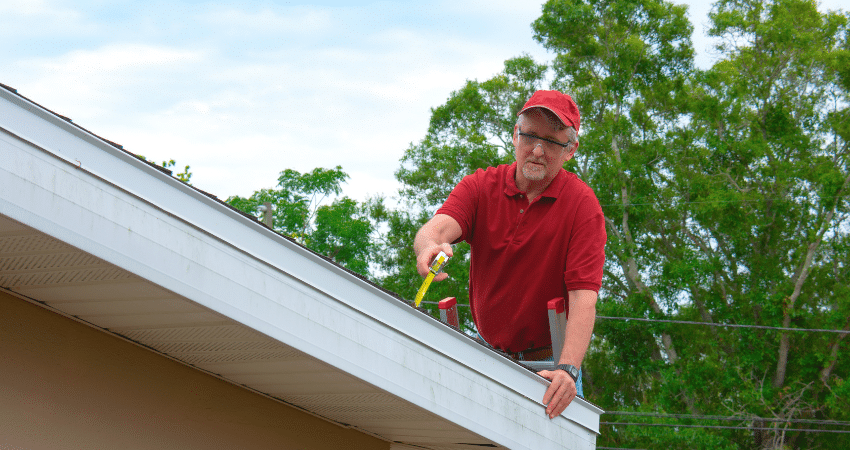
Walking on a hot roof is dangerous because the heat makes shingles brittle and prone to cracking under your weight. Instead, use a pair of high-quality binoculars from the ground to scan the roof surface. If you must get closer, use a sturdy ladder to view the roofline from the eaves without stepping onto the shingles themselves.
Factors That Make Heat Damage More Likely
Several hidden variables determine how quickly your shingles deteriorate under the sun. While high temperatures are a primary concern, the structural condition of your home often dictates the severity of the impact.
Roof age, shingle quality, and previous storm damage
The current roof age is perhaps the most significant predictor of heat vulnerability. As shingles get older, they lose the essential oils that keep them flexible and resilient against thermal expansion.
High-quality shingles often feature better UV-resistant coatings that extend their lifespan. Conversely, if your roof has sustained previous storm damage, the protective granule layer may already be compromised, leaving the asphalt base exposed to direct solar radiation.
Insufficient attic ventilation and trapped heat
Proper attic ventilation is essential for maintaining a healthy roofing system. Without adequate airflow, hot air becomes trapped in the attic space, creating a “baking” effect from the underside of the roof deck.
This stagnant heat forces your shingles to endure extreme temperatures from both the top and the bottom. Over time, this dual-sided thermal stress causes materials to warp and crack much faster than they would on a well-ventilated home.
Poor attic insulation and heat transfer through the roof deck
Effective roof insulation acts as a thermal barrier between your living space and the roof deck. When this insulation is thin or missing, heat transfers more easily through the structure.
This heat transfer can accelerate the degradation of the shingle adhesive strips. By keeping your attic cooler, you reduce the overall thermal load on your roofing materials.
Low roof pitch, limited shade, and intense sun exposure
The physical design of your home also influences heat absorption. Roofs with a low pitch often experience more intense sun exposure because the rays hit the surface at a more direct angle for longer periods.
Limited shade from nearby trees or structures means your roof absorbs maximum solar energy throughout the day. This constant exposure keeps the surface temperature significantly higher than the ambient air temperature.
How hail, wind, and improper installation can worsen heat-related deterioration
External forces like hail and wind can create micro-fractures in your shingles that are invisible to the naked eye. These small openings allow heat to penetrate deeper into the material, accelerating the aging process.
Improper installation, such as using too few nails or failing to align shingles correctly, can also lead to premature failure. When shingles are not secured properly, they are more likely to lift during hot weather, exposing the underlayment to the elements.
How You Can Protect Asphalt Shingles During Summer
Taking proactive steps now can significantly extend the lifespan of your roof during the hottest months. By managing heat buildup and addressing minor issues early, you prevent the premature aging of your shingles. Implementing these strategies helps maintain a stable environment for your entire roofing system.
Improve attic ventilation and insulation
How intake and exhaust vents help release trapped heat
Proper airflow is the most effective way to lower the temperature of your roof deck. Intake vents located at the eaves pull in cool air, while exhaust vents near the ridge allow hot, moist air to escape. This continuous cycle prevents heat from becoming trapped in your attic, which would otherwise bake your shingles from the underside.
Why ventilation changes should follow local building codes
When upgrading your ventilation, always consult local building codes to ensure compliance. Improperly installed vents can lead to moisture issues or structural problems during winter months. Professional contractors understand the specific ratios of intake to exhaust required for your home’s unique roof geometry.
Schedule a professional roof inspection before peak heat
What a roofer should examine on the roof and in the attic
A thorough roof inspection is essential before the summer sun reaches its peak intensity. A qualified professional will check for signs of thermal stress, such as blistering or curling shingles. They will also enter your attic to look for light leaks, damaged insulation, or signs of poor ventilation that could worsen heat damage.
Keep gutters, valleys, and roof drainage paths clear
Debris accumulation in your gutters and valleys can trap moisture and heat against your shingles. Regularly clearing these areas ensures that water flows away from your roof quickly during summer storms. This simple maintenance task prevents localized rot and keeps your roof surface clean and dry.
Trim branches and manage shade without blocking ventilation
While shade can lower roof temperatures, overhanging branches pose a risk during high winds. Trim back any limbs that touch your shingles to prevent physical abrasion. Ensure that your landscaping choices do not obstruct the airflow needed for your soffit vents to function correctly.
Repair missing or damaged shingles promptly
Small gaps in your shingle layer allow direct heat to reach the underlayment and roof deck. Replacing missing or cracked shingles immediately prevents these minor vulnerabilities from turning into major leaks. If you are considering upgrades, you might also look into cool roofing materials that reflect more sunlight and absorb less heat.
Know when roof repair is more practical than replacement
How to compare repair recommendations and replacement estimates
Deciding between roof repair vs replacement often depends on the extent of the damage and the age of your roof. If damage is isolated to a small area, a targeted repair is usually the most cost-effective solution. However, if your shingles are nearing the end of their expected lifespan, a full replacement may offer better long-term value.
Why matching replacement shingles may be difficult on an older roof
Finding an exact color match for older shingles can be challenging due to natural fading over time. Even if you find the same brand, the new shingles will likely look different from the weathered ones on your roof. Discuss these aesthetic concerns with your contractor to determine if a partial repair will meet your expectations for curb appeal.
Conclusion
Asphalt shingles handle typical weather patterns well, but extreme heat tests their limits. You play a vital role in keeping your roof in top shape by staying alert to signs of wear.
Consistent roof maintenance helps you spot issues like granule loss or curling before they lead to expensive leaks. Small repairs today save you from major structural problems during the colder months.
Effective summer roof care involves more than just visual checks. You should prioritize proper attic ventilation to keep temperatures stable and extend the life of your materials.
You can prevent heat damage by scheduling professional inspections and addressing minor concerns early. Take charge of your home protection plan today. Your proactive approach ensures your roof remains a reliable shield against the elements for years to come.
FAQ
Can high summer temperatures actually shorten the lifespan of your roof?
Yes, intense heat causes the asphalt in your shingles to soften and essential oils to evaporate, leading to increased brittleness. While major brands design products to withstand various climates, repeated thermal stress from daily heating and cooling cycles can accelerate aging and lead to premature failure before the manufacturer’s warranty expires.
How much hotter does your roof surface get compared to the outdoor air temperature?
Your roof surface can significantly exceed the ambient air temperature, often reaching 150°F to 160°F when it is only 90°F outside. Darker shingles absorb a higher percentage of solar energy, whereas “Cool Roof” technology is specifically engineered with a higher Solar Reflectance Index (SRI) to reflect more sunlight and reduce heat absorption.
Why do shingles develop small bubbles or blisters during the summer?
Blistering occurs when small pockets of moisture trapped within the fiberglass or asphalt layers expand as temperatures rise. This expansion forces the asphalt upward, eventually causing the protective mineral granules to dislodge. Once these granules are lost, the underlying material is vulnerable to ultraviolet radiation, which further degrades the shingle’s structural integrity.
What role does attic ventilation play in protecting your asphalt shingles?
Proper attic ventilation is critical because it prevents heat from being trapped directly under your roof deck. A balanced system utilizing soffit vents for intake and ridge vents for exhaust allows hot air to escape. Without this airflow, your attic can reach temperatures high enough to “bake” your shingles from the inside out, causing them to warp, buckle, or curl.
How can you tell the difference between normal weathering and heat-related damage?
Normal weathering involves a slow, uniform loss of granules over many years. Heat-related deterioration often appears as “alligatoring”—a pattern of deep cracks that resemble reptile skin—or shingles that become so brittle they snap when lifted slightly. If you notice localized areas of extreme curling or failed seal strips after a particularly hot month, your roof is likely suffering from heat stress.
Can adding a radiant barrier or more insulation help protect your shingles?
While insulation and radiant barriers primarily protect your interior living space and reduce energy costs, they also help manage the temperature of the roof deck. By installing a radiant barrier in your attic, you reflect heat away from the structure. When combined with code-compliant insulation levels, these upgrades help stabilize the environment beneath the shingles, reducing the severity of thermal expansion and contraction.
What should you do if you find excessive granules in your gutters after a heatwave?
Finding a large amount of granules in your gutters is a warning sign that your shingles are losing their protective coating. You should schedule a professional roof inspection to determine if the loss is widespread. If the shingles are still relatively new, a professional can check if the loss is due to a manufacturing defect or if poor attic ventilation is causing the shingles to overheat and shed their granules prematurely.